
The Protein Boom
Fueled by nutrition or marketing?



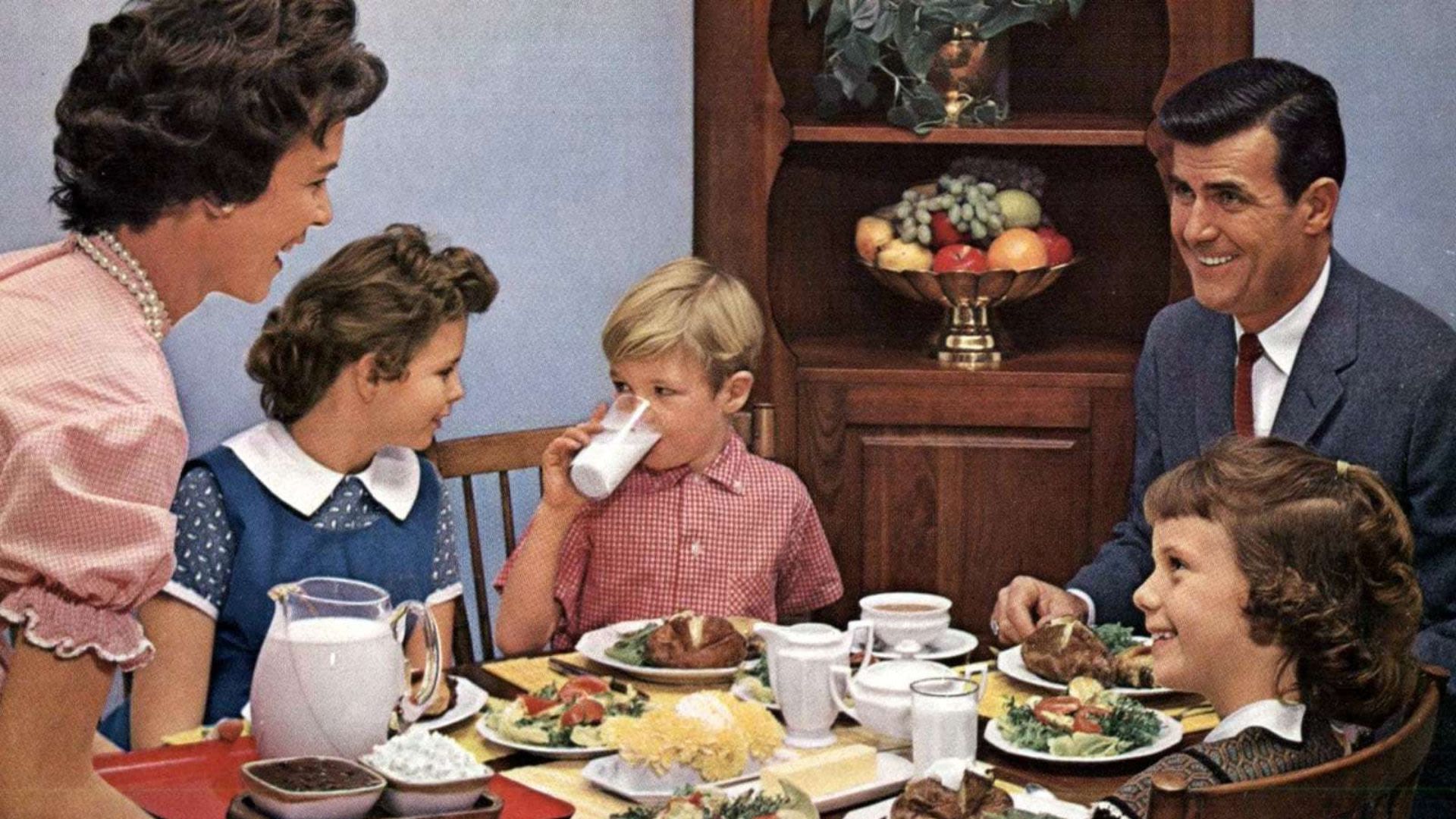


Protein has become a notable buzzword in health and marketing, from high-protein recipes going viral on TikTok to appearing in almost every snack bar in grocery aisles.
A high-protein diet involves consuming more protein than the average intake.
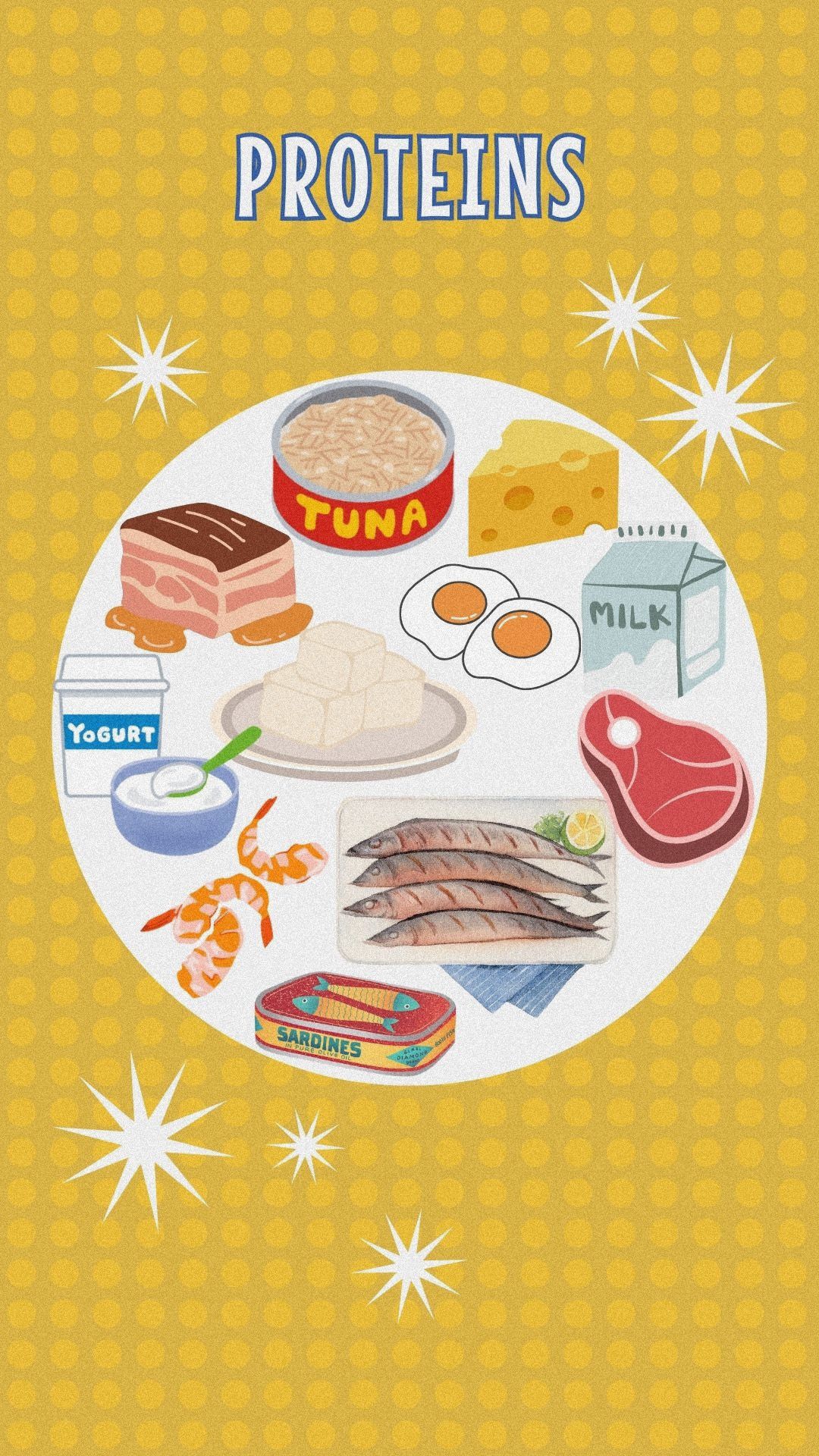
This diet is also considered a high-nutrition diet because of its pattern of eating protein-rich foods, such as meat, eggs, seafood and more.
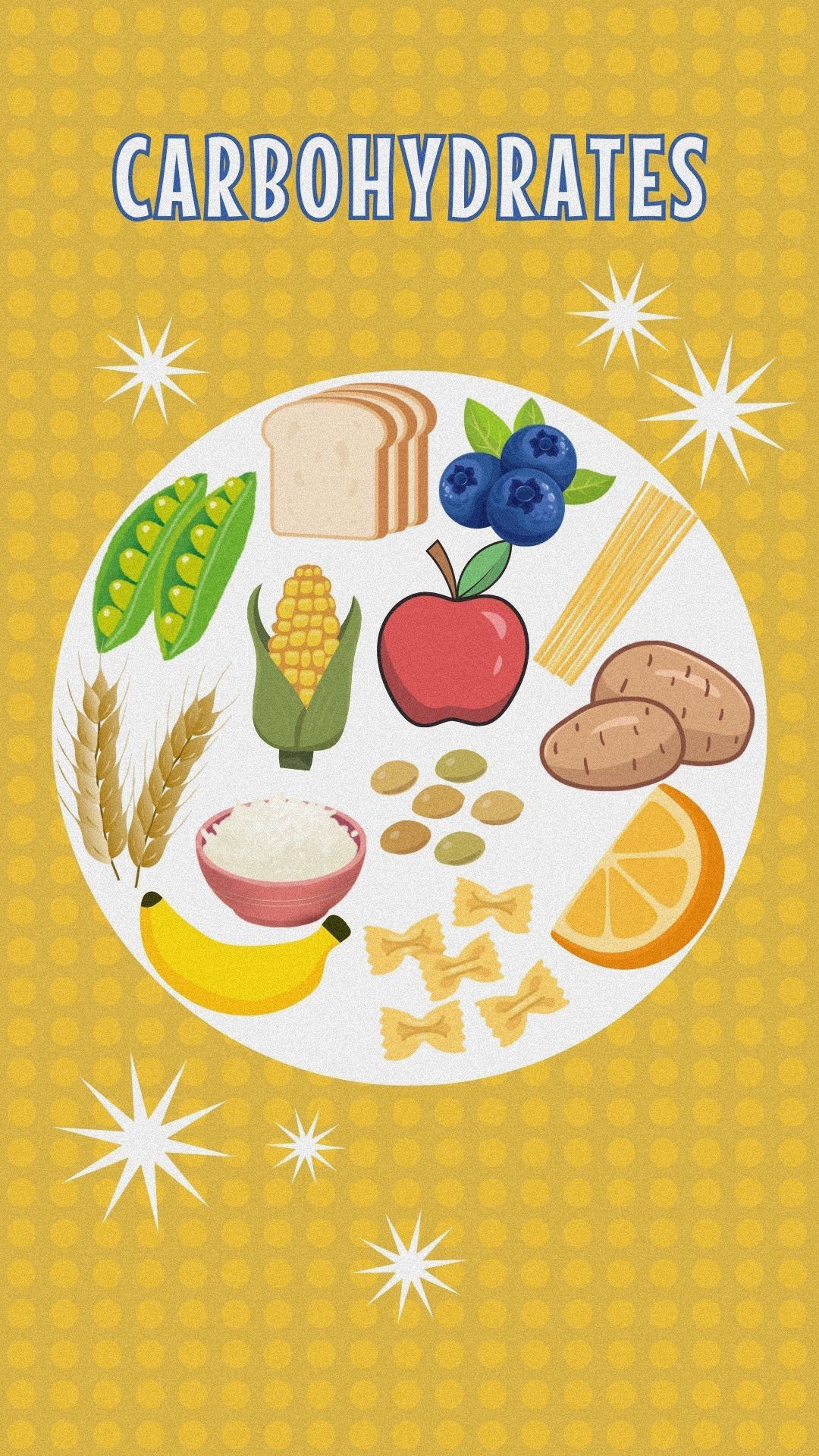
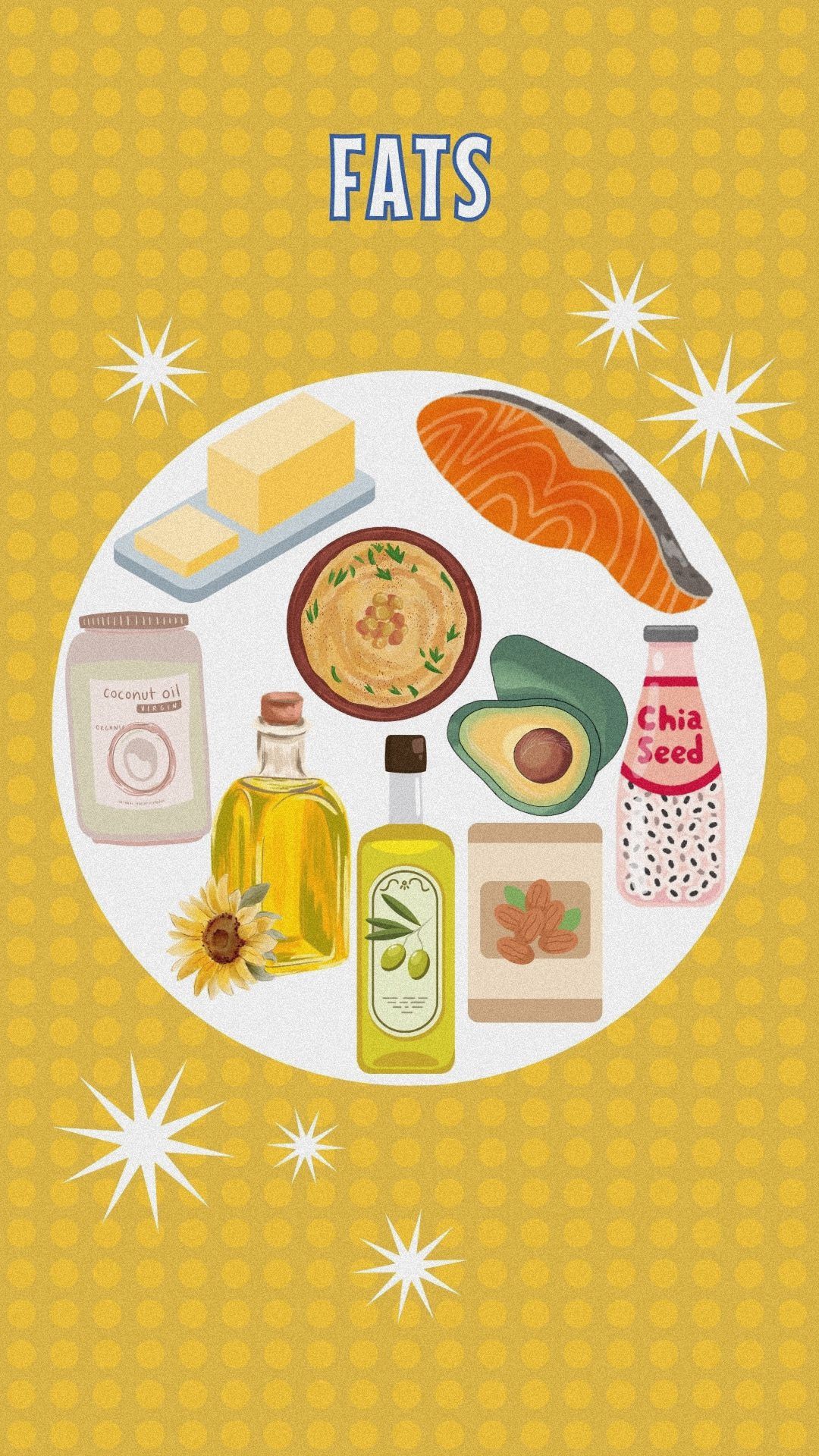
Other macronutrients, such as carbohydrates and fats, are equally important for energy balance, body composition and overall health outcome.
But how did protein become more significant than the two?
The rise of protein
According to a food historian, protein-rich products have been around since the 1860s. Yet protein has lately dominated our discussions about diet and food products.
Vincci Tsui, a registered dietitian, says that there are fewer misconceptions about protein in comparison to its counterpart.
“I think there are a lot of myths out there about carbs and fat being bad. Therefore, protein is the only good one, which is why I feel like there is this emphasis on protein,” Tsui says.
Whole foods aren’t the only source of protein for most people.
The protein powder industry in Canada tallied a total of $1.13 billion in revenue and is expected to grow annually by 4.84 per cent until 2030.
But to understand whether today’s protein obsession is really new, we can look back at past diet trends from the 1900s.

DIET TRENDS OF THE 1900S


1920
CALORIE COUNTING
Lulu Hunt Peters popularized the diet as a "scientific" and "fail-proof" way to lose weight.

1930
GRAPEFRUIT DIET
Originating in Hollywood, it promised weight loss if grapefruit or grapefruit juice is consumed after every meal.
1940
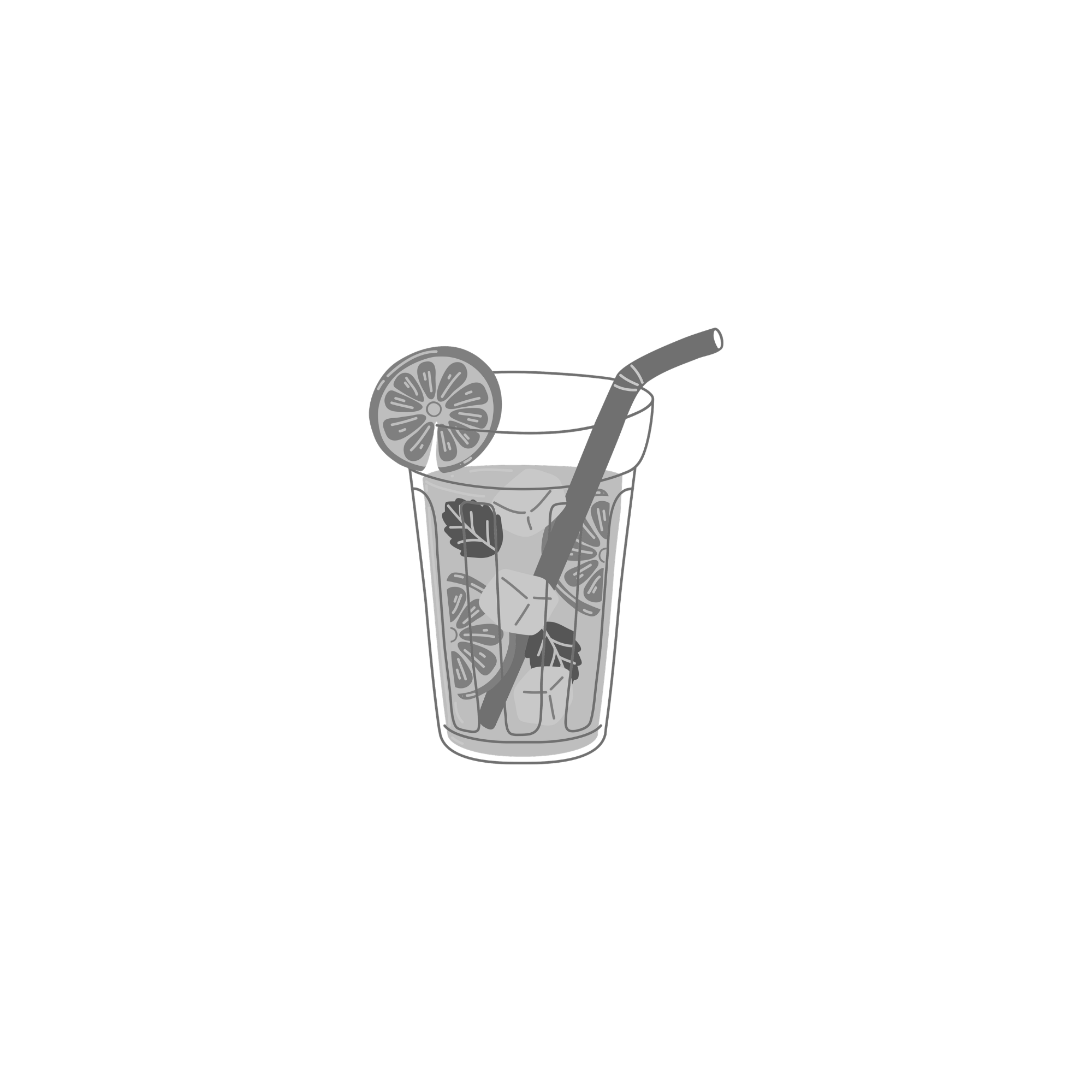
MASTER CLEANSE
Stanley Burroughs introduced an "elixir" drink to be consumed daily for 4 to 14 days. The drink consists of water, lemon juice, maple syrup, and cayenne pepper.

1950
CABBAGE SOUP DIET
A weight-loss plan centred around cabbage soup consumption and strict restriction of other foods. It aims to restrict calories by filling up on fibre-rich foods.

1960
WINE & EGGS
Popularized by Helen Gurley Brown in her novel "Sex and the Single Girl." Breakfast and lunch are one egg and one glass of wine. Dinner consisted of one steak and another glass of wine.

1970
ATKINS DIET
Robert Atkins recommends restricting carbohydrates and prioritizing protein and fats. This diet is credited with starting the low-carb movement.
1980
REDUCED-FAT
Encouraged by a U.S. committee that asked Americans to cut down on fat, salt, and cholesterol in their diets.

1990
ZONE DIET
Came from the book of Barry Sears, aiming to ensure insulin and inflammatory hormones stayed “in the zone" with 40% of calories from low-glycemic index carbs, 30% from fat, and 30% from protein.
2000
SOUTH BEACH DIET
A combination of the Atkins and Zone diets. It emphasizes eating foods with a low glycemic index and categorizes fats as “good” or “bad.”
2010
PALEO, KETO, GLUTEN-FREE, ETC.
A variety of diet trends arose because of social media. Each of these encourages participants to limit a certain food category according to their diet plan.

2020
HIGH-PROTEIN
Consuming a lot of protein in your diet is said to limit overeating and reduce cravings.
Notable diets of the past
While a high-protein diet might be “in” right now, several diet trends have emerged in the last century.
One of the most notable and still popular methods that emerged during the 1920s is calorie counting. Several decades later, and it’s still one of the major ways people attempt weight loss.
In fact, a 2021 study found that 39 per cent of participants were using calorie tracking apps for weight control.
In 1977, the U.S. Senate advised Americans to minimize their fat, salt and cholesterol consumption to reduce cholesterol, preventing heart disease and obesity.
This movement led to the rise of a reduced-fat diet.
Healthy fats — such as those found in avocados, olive oil and nut butters — were emphasized, while foods with high saturated and trans fats were advised to be limited.
The growth of social media in the 2010s gave birth to diets such as paleo, keto, plant-based and gluten-free.
Each recommends limiting certain food categories in favour of other food groups.
Additionally, GLP-1 drugs, mainly prescribed to anyone with Type 2 diabetes to manage their sugar level, have been popular among adults because of their side effects, which cause weight loss.
Injectable drugs, like Ozempic, have become popular among celebrities and the common masses. The cultural emphasis shifted from celebrating a variety of healthy body types to celebrating thinness.
Canadians have easy access to this medication through several telehealth services or prescriptions from their family doctors or nurse practitioners.
A 2025 study found that celebrities and influencers on TikTok spearheaded Ozempic as a weight-loss treatment, contributing to the worldwide shortage of the drug from 2022 until 2025.
According to Tsui, protein hasn't been villainized yet, which makes it a popular nutrient. But where can we get essential nutrition?

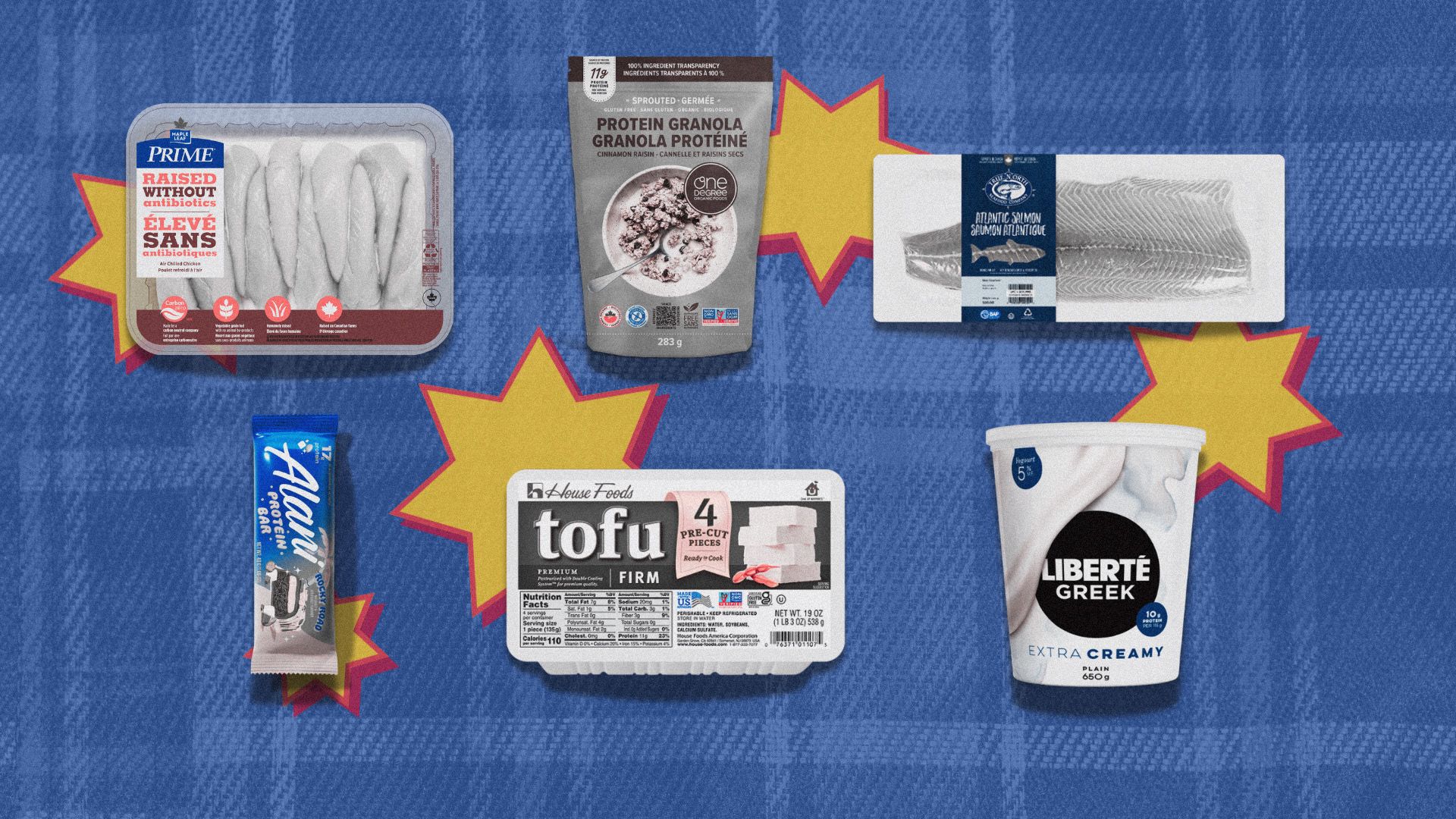
Where can I get more protein?
Contrary to popular belief, protein is found in plants as well as meats, both falling into the category of whole foods.
The difference between the two is their amino acid profiles.
Animal-based protein contains nine essential amino acids, and plant-based protein often lacks one amino acid, which means you need to consume more types of plant protein to get all the essential amino acids.
But there are also downsides to these two dietary proteins.
Plant proteins are usually high in carbohydrates, making them unsuitable for anyone monitoring their blood sugar.
Overconsumption of animal proteins, like processed and red meat, increases your chances of heart disease, stroke and certain types of cancer.
As diet trends evolve, our focus shifted from restrictions to limitless intake. A change is now reflected in what we choose to consume daily.

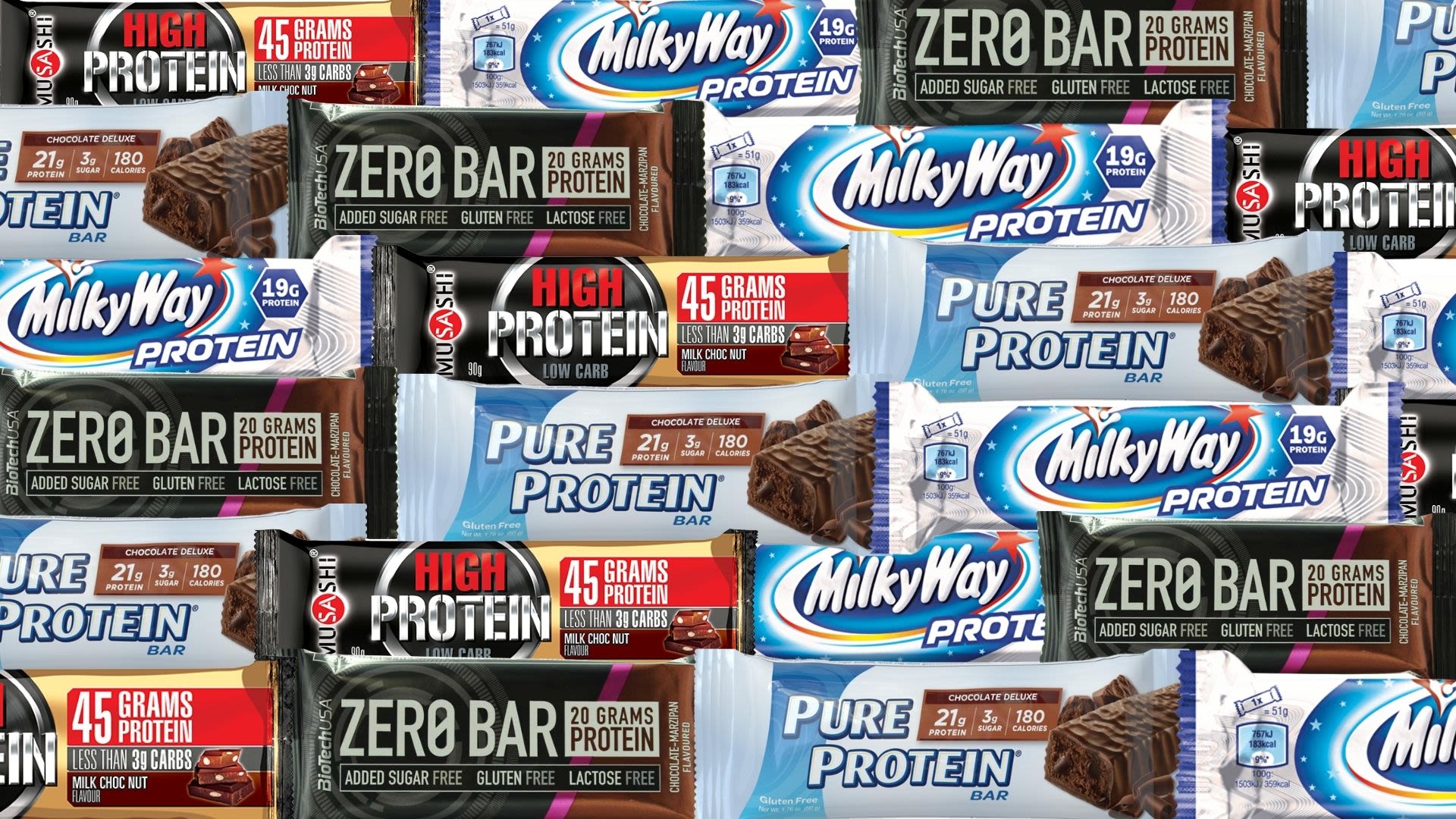


Our breakfast used to be so simple. One slice of toast, a bowl of cereal or maybe a cup of coffee. Nowadays, we worry about how much protein this meal has.
In recent years, Canadian consumers have expressed interest in the quality and quantity of protein they consume, including both animal- and plant-based products, with a strong preference for animal-based protein.
According to Agriculture and Agri-Food Canada, over the past 10 years, people have generally consumed the same amount of meat with some variations.
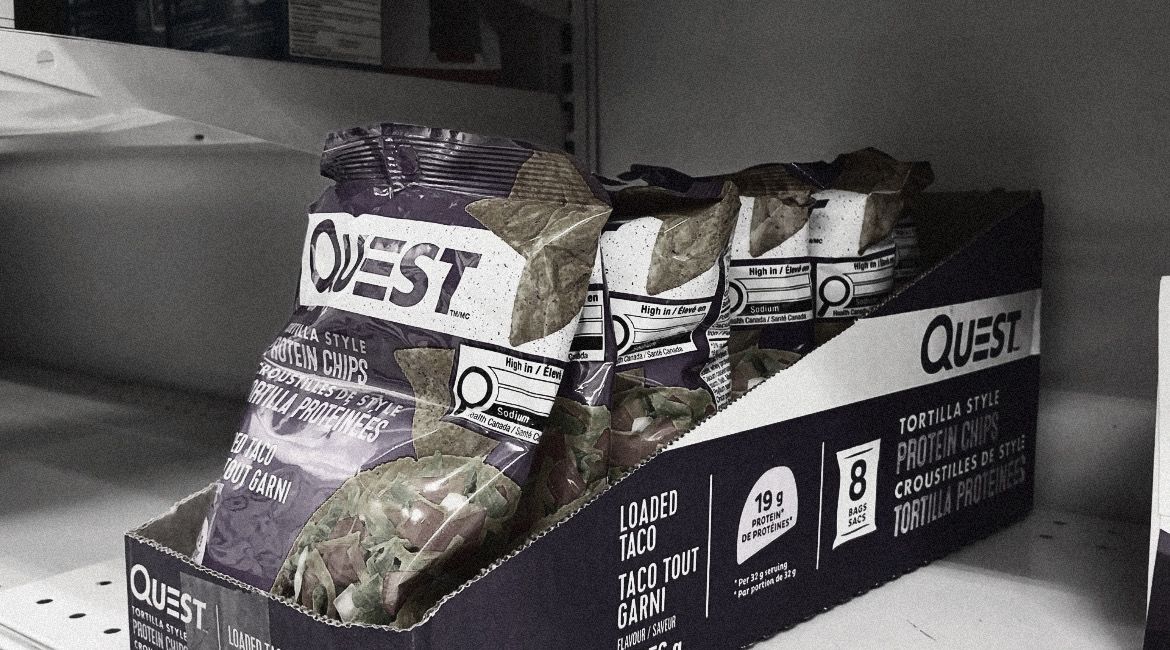
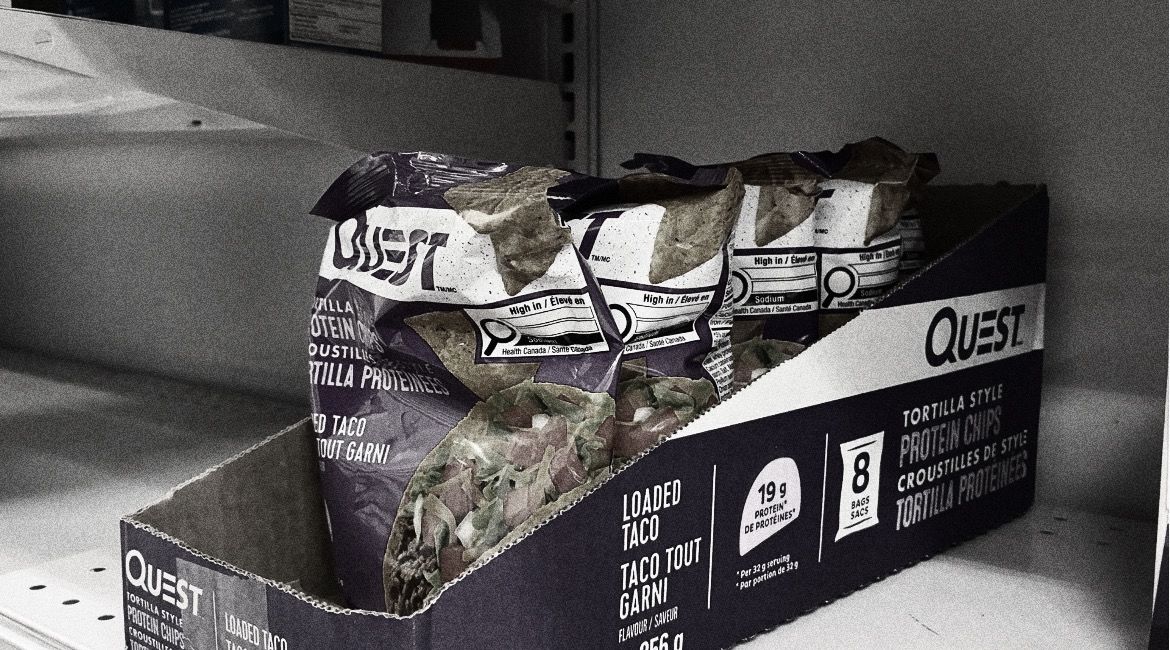
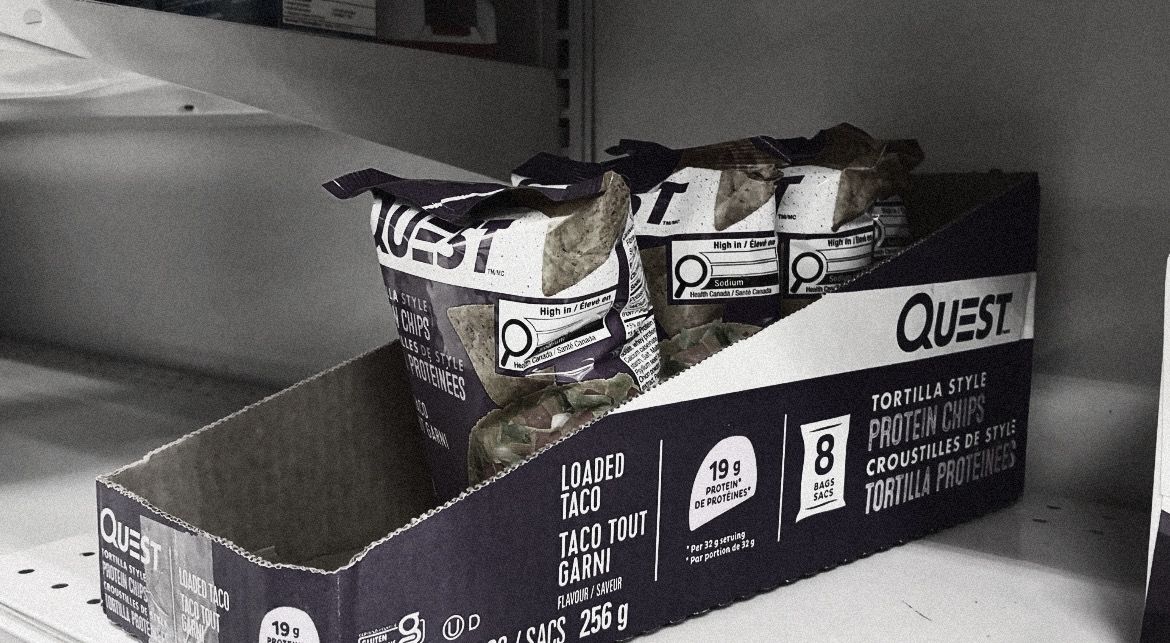
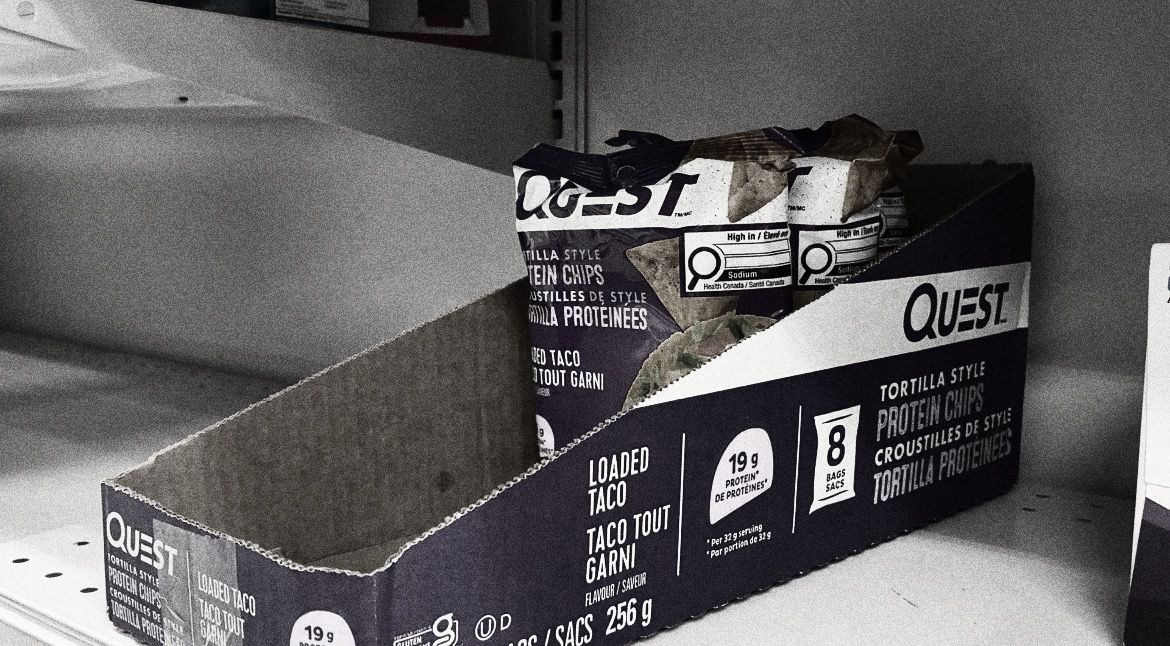
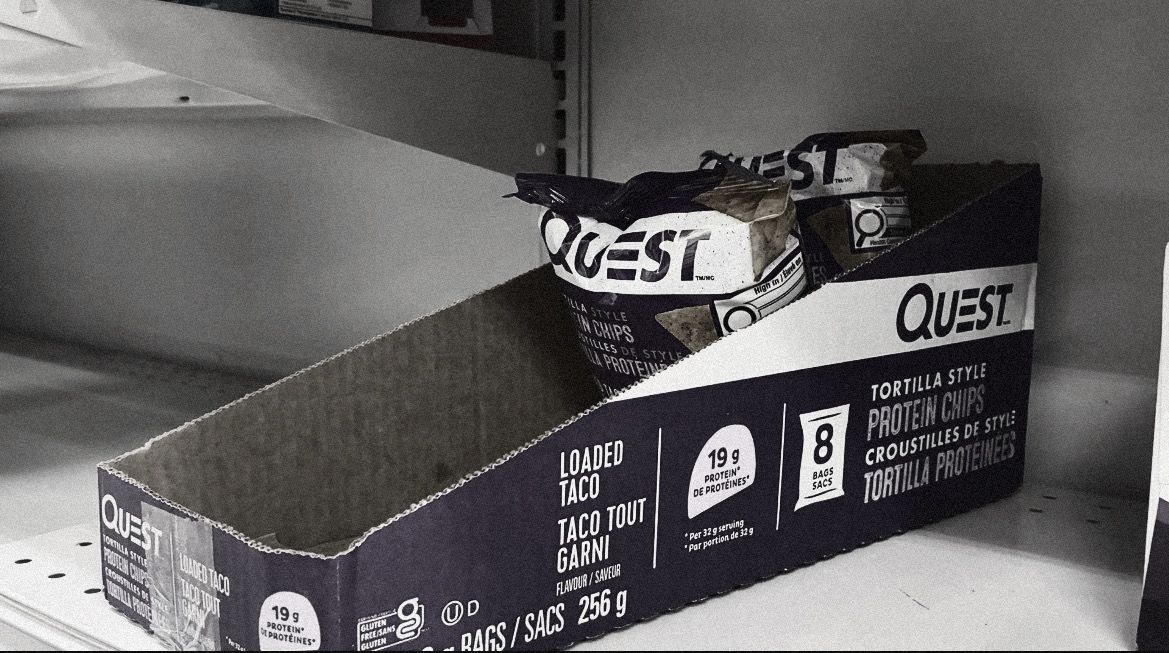
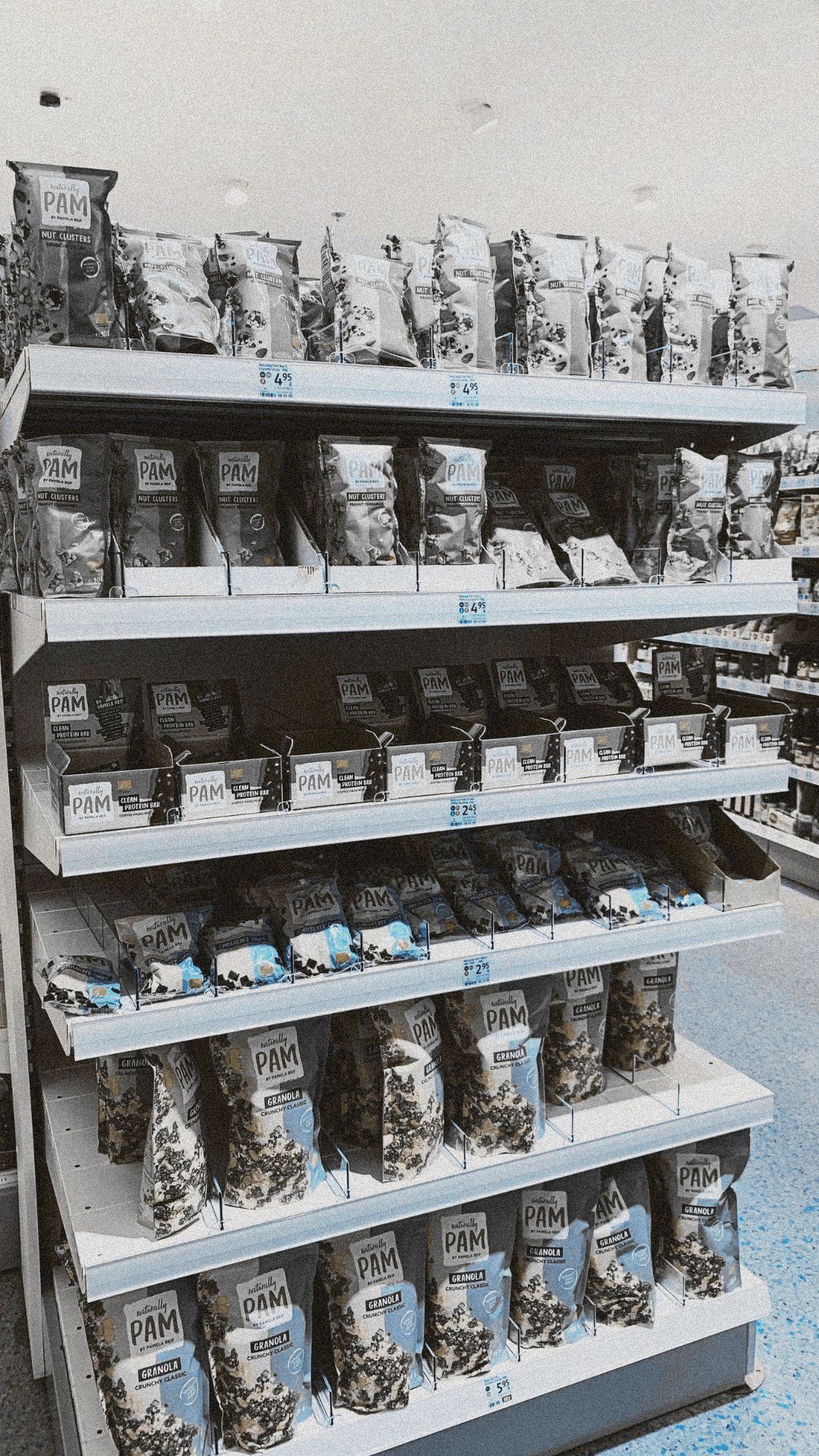
Scan the supermarket shelves today, and protein is often highlighted in the labelling on food products — in peanut butter, chips and even beverages.
Lina Abagoush, a university student, doesn't try very hard to look for high-protein items while grocery shopping. However, she uses protein information when considering whether to purchase an item.
“If something has a lot of calories but very low protein, I probably won’t get it. But if it’s kind of in between, I’ll get it,” Abagoush says.
Vincci Tsui, a registered dietitian, emphasized the importance of this macronutrient, which is a fundamental building block for all cells, supporting cell repair and the immune system.
Most adults are already hitting the required amount of daily protein intake and don’t need more, Tsui says.
“I don't love using numbers, but sort of like the official recommendations that I typically go from is 0.8 to one gram per kilogram of your body weight per day, which I think is probably a lot less than what I think we see a lot on the internet.”
Mayo Clinic Health System reported that some individuals need more protein than others — anyone at least the age of 40 needs it to prevent muscle loss, highly active individuals or athletes need it for muscle repair and growth, and anyone trying to lose weight.
The rise of protein-infused snacks and drinks
Yet the “proteinification” of common snacks and drinks has hit a high, from a fitness supplement to becoming a modern diet phenomenon.
In fact, Tim Hortons and Starbucks both launched protein-rich lattes to meet the demand of the ongoing protein craze.
However, it doesn't stop at the coffee shops.
Canadian Grocer, an influential magazine in the Canadian grocery industry, points out that consumers are looking to incorporate a more protein-forward diet into their lifestyle. This growing pressure made corporations adapt by creating ready-to-eat protein sources, which we see today on our grocery shelves.
Tsui argues that if a busier lifestyle makes it harder to sit down and eat, consuming protein-boosted products and supplements is absolutely fine, but with reservations.
“I think where I get a little bit iffy about things is when they become your sole source of protein. Because you are missing out on some of the other vitamins and minerals that would come from food. It's also when you are eating so much protein that it knocks off other important foods in your diet,” Tsui says.
“[But] most people are probably getting enough protein. I would say for most people, you can probably cool it in terms of the protein.”
Eating too much protein can lead to nutrient imbalance and poor absorption. It may also trigger digestive problems such as constipation.
According to Tsui, one common myth surrounding protein is how it causes kidney damage, which is not the case. However, existing and undiagnosed kidney problems can be made worse by having a high-protein diet.
Tsui also explains that highlighting carbohydrates and fats in a bad light presents protein as a “safe nutrient” in our diet.
“I think it comes to nutrition, what we're looking for is variety and balance rather than focusing on one single nutrient. I would think the biggest [misconception] right now is that we aren't getting enough protein,” Tsui says.




Balancing nutrition
According to Mayo Clinic Health System, it is best to spread your protein consumption evenly throughout the day. Consuming too much in one sitting is no more beneficial than the recommended amount.
Eating a variety of protein sources provides essential nutrients that support our overall diet.
“When people think of protein, they often think of meat, but I like to think of it in terms of food groups. Our meat, yes, but also like fish, eggs, dairy products, nuts and seeds, all of those are good sources of protein,” Tsui says.
Besides protein, there is one nutrient that Tsui says we need to be consuming more of — fibre.
A high-fibre diet lowers the risk of type 2 diabetes, heart disease and colon cancer.
“And I feel like trends keep coming back, right? Maybe beans, legumes, and nut seeds are starting to become popular again because they are sources of both protein and fibre,” Tsui says.
Overall, protein is an essential part of our nutritional system, but moderation is key.
“I think as long as you're choosing a protein-rich food at every meal and snack, chances are you are getting enough protein, and you don't need to be spending all this money on protein powders and protein lattes.”




Walk through your nearest grocery store, or even around the mall food court, and notice: the recent craze — more foods and drinks are labelled as having protein than ever before.
What was once catered to a niche market of bodybuilders and athletes has expanded into the mainstream market. But behind this shift lies a combination of messaging, influence and branding that turned protein into the most marketable nutrient today.
High-protein snacks in Canada accounted for sales of $163.4 million in 2022, mostly from savoury snacks, biscuits and snack bars, and are predicted to sell more in the next few years.
Lynne Rousom Lee, a marketing professor at Mount Royal University, started noticing this diet trend when her teenage sons got into fitness. She was out grocery shopping and observed how people and brands are trying to sell protein products.
“Before, I wasn't paying any attention. Now my bias is there, I see it, I'm paying more attention, and I see it more frequently,” Lee says.
Protein’s ability to build and repair muscle tissue helps our bodies recover from light to strenuous exercise, which has been closely associated with fitness by most consumers.
Ritchie Cruz, a primary shopper for his family, says that today’s emphasis on protein is tied to people adopting healthier lifestyles.
“Like for me, an example. My weight is around 235 pounds — I'm trying to lose weight. What I did was to eat whole foods with lots of protein, and reduce my carbohydrate and sugar intake,” Cruz says.
In fact, the fitness and recreational sports centre industry saw the largest increase in operating revenue, garnering $5.8 billion.
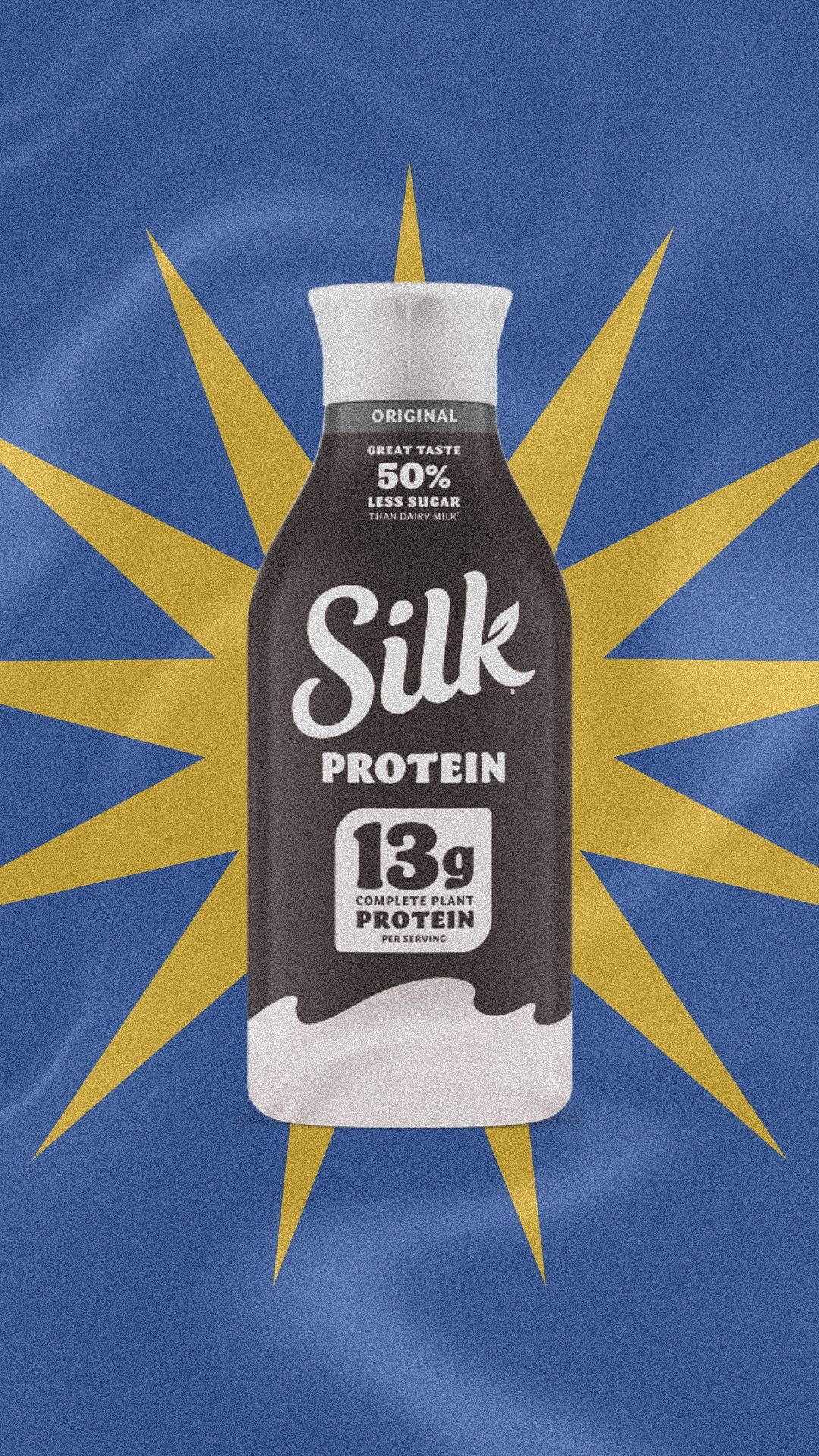
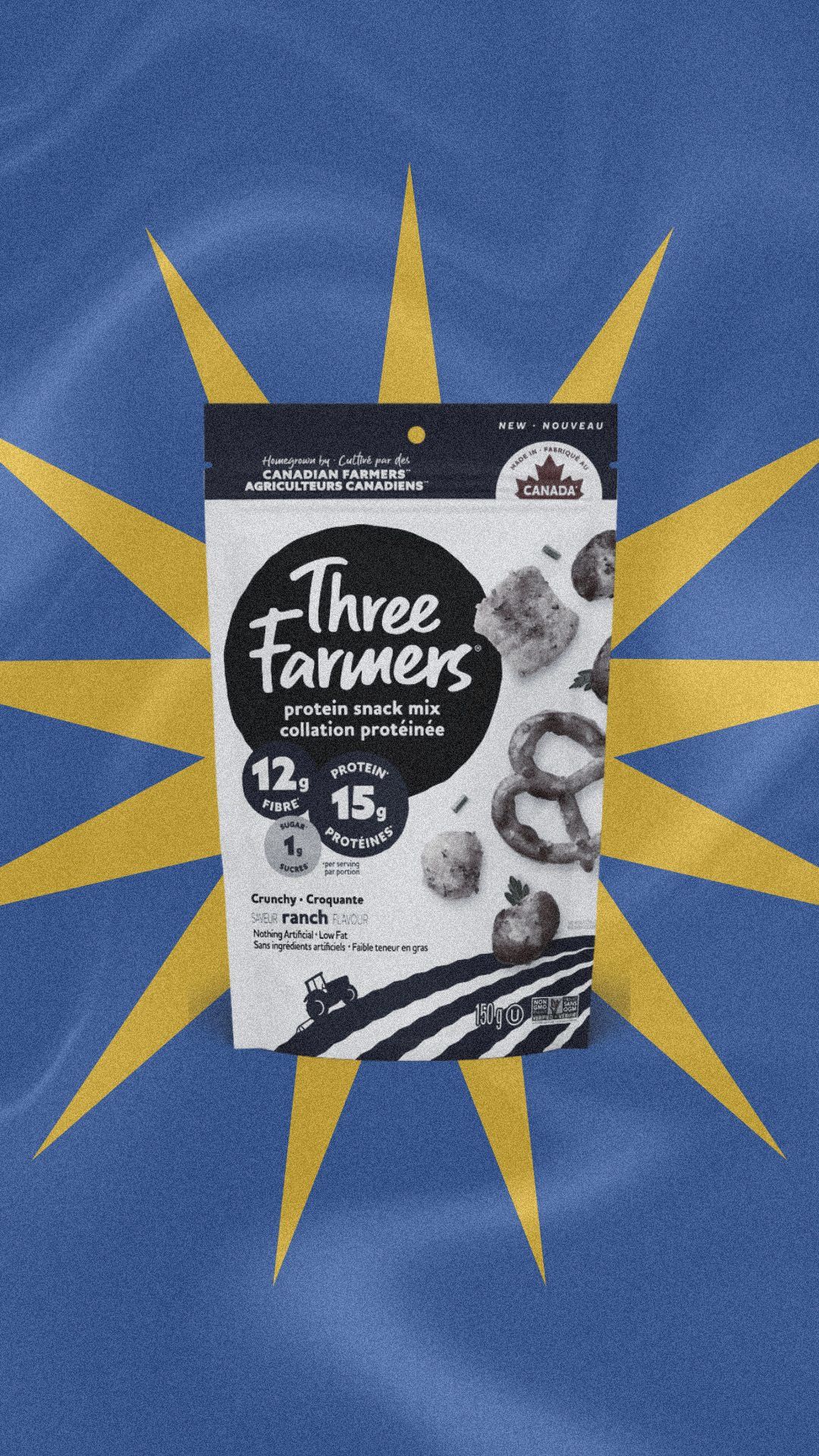
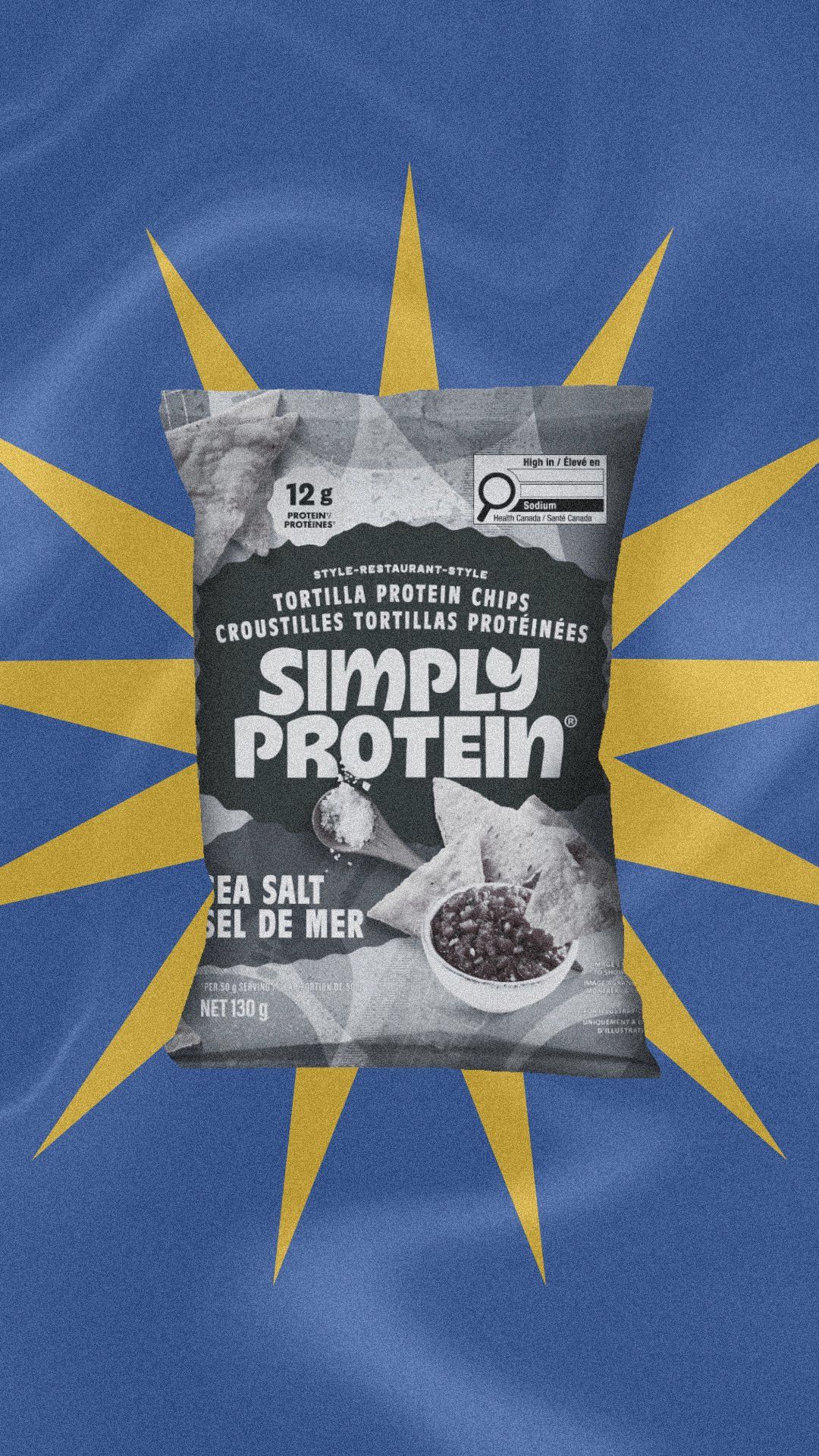
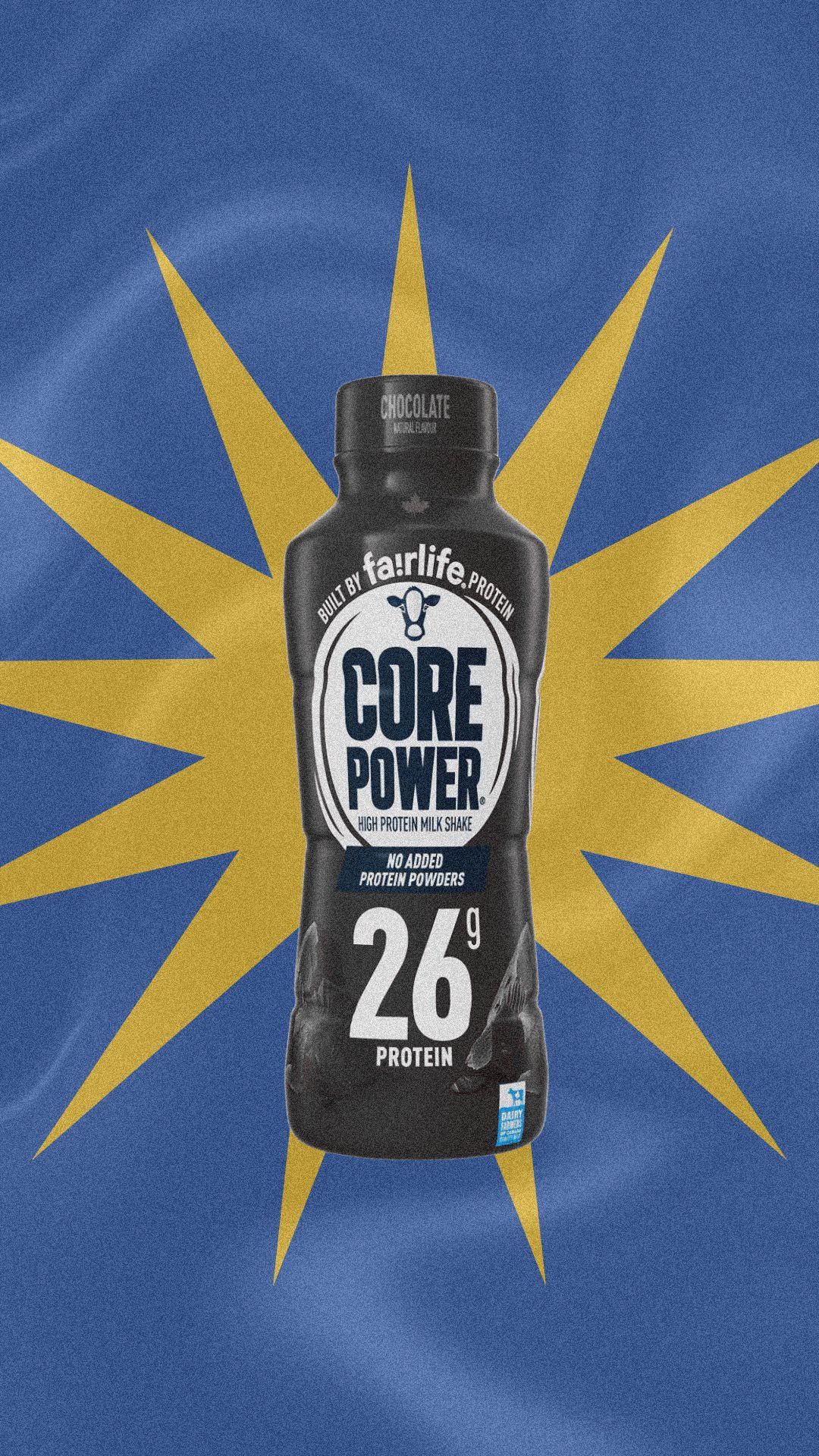
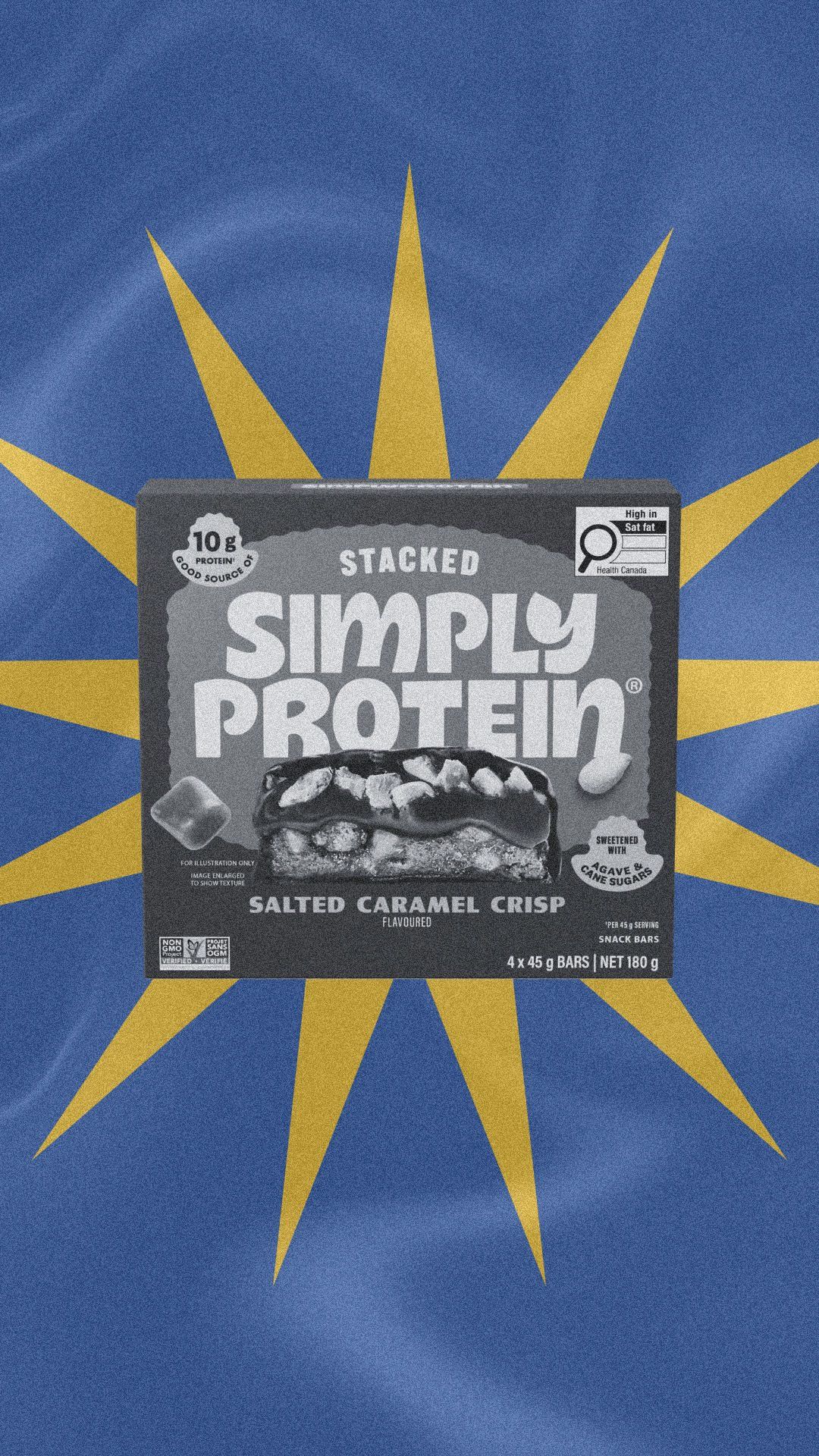
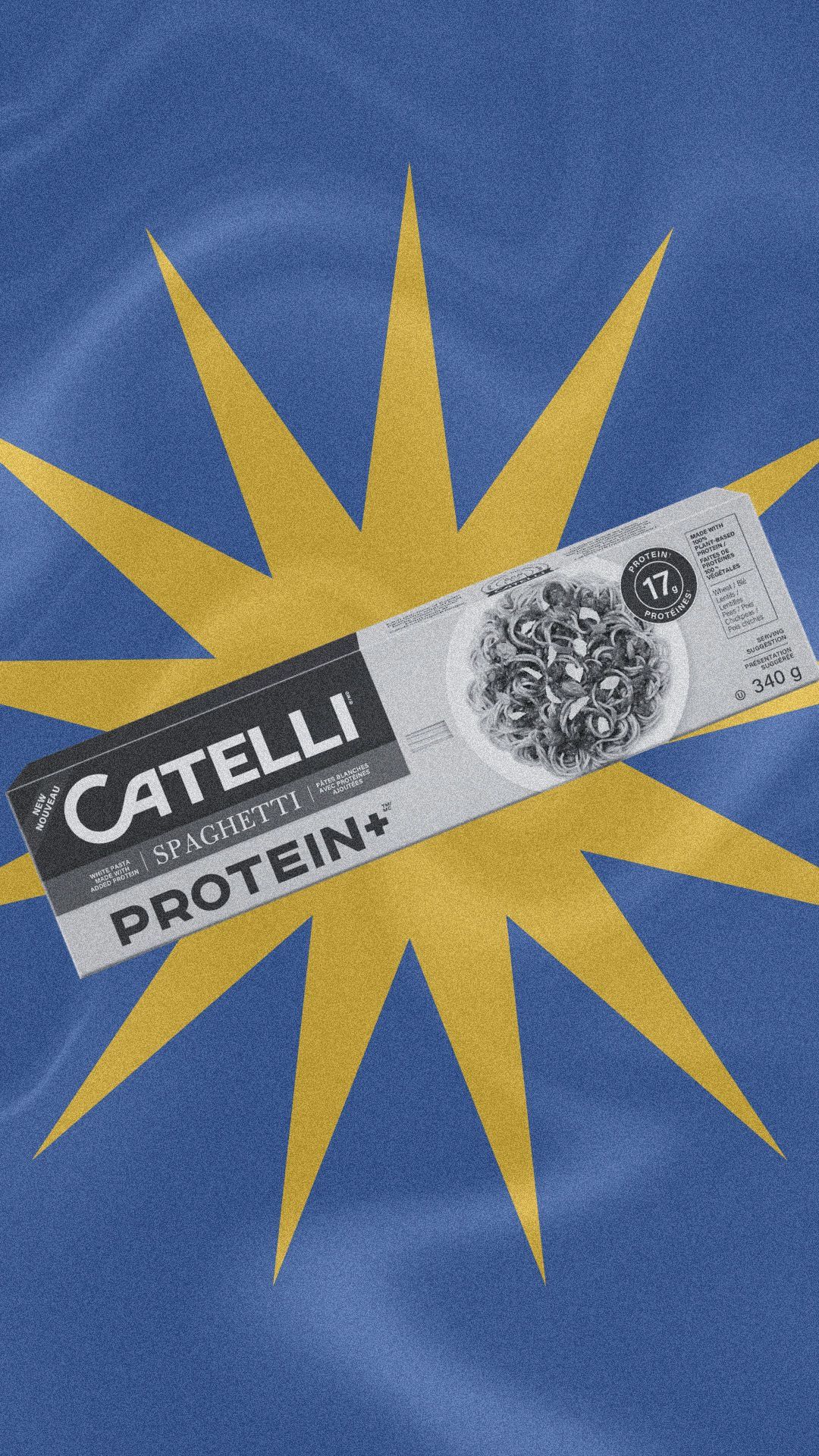
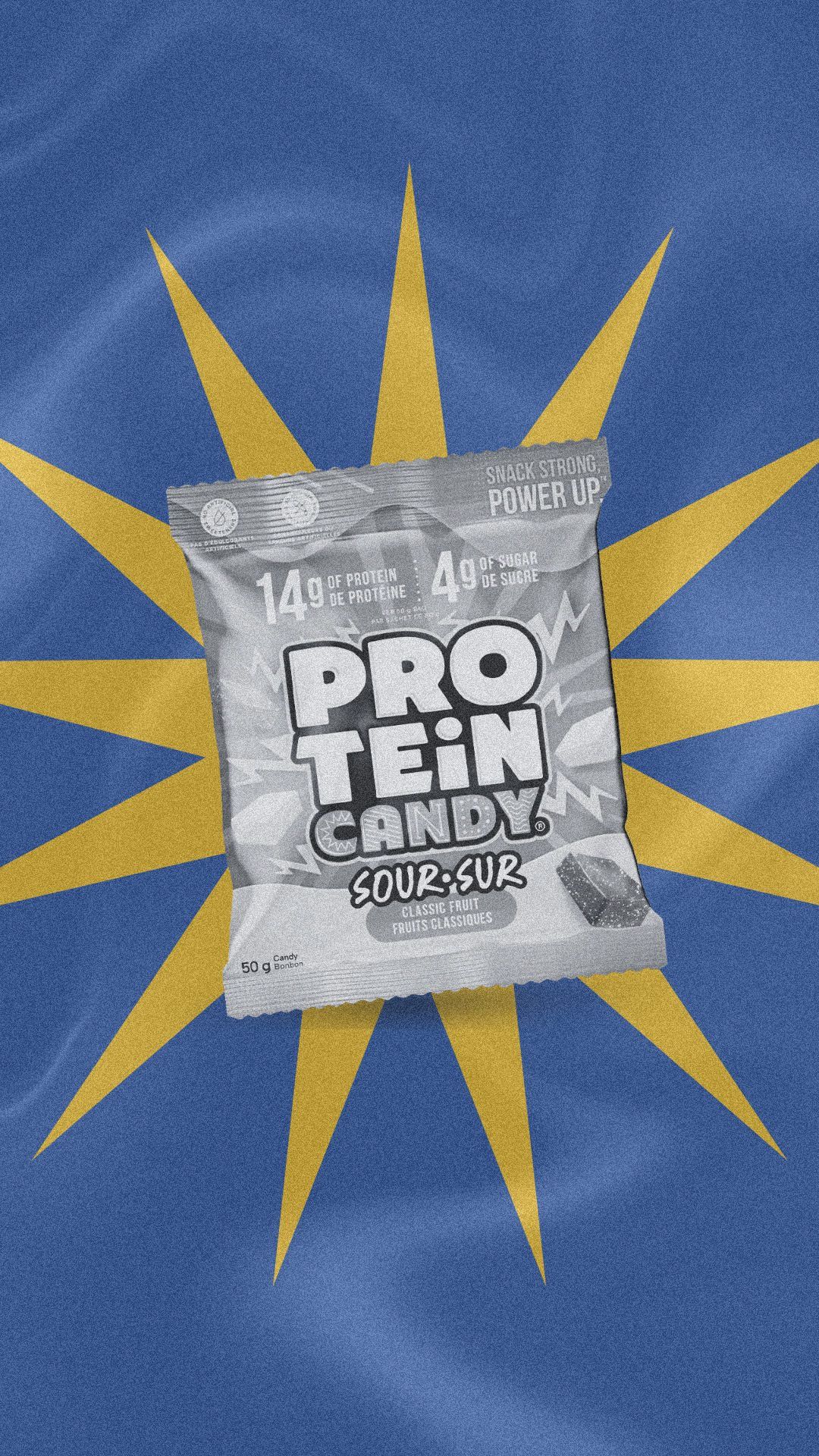
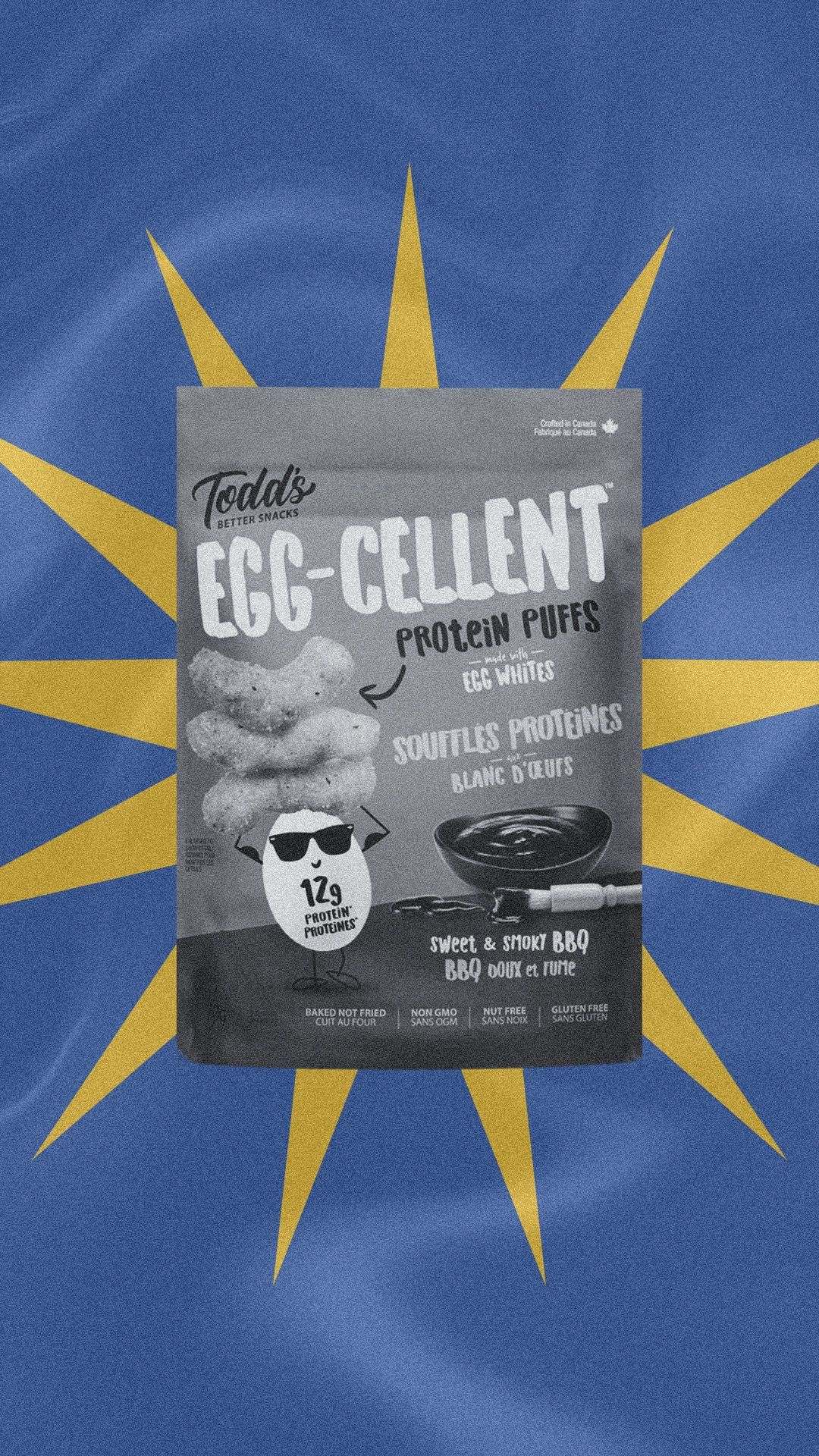
Protein product in the Canadian market
Stats Canada reported that 3,292 new high-protein products hit the Canadian market from January 2019 to May 2024.
It’s reported that most added protein claims come from sauces and seasonings, confectionery, dairy, processed meat products and beverages.
Lee says that the pandemic made people pay more attention to their physical health, which might have helped pique some interest in the high-protein diet.
This whole protein trend is driven by both consumer demand and companies trying to get an advantage over their competitors, according to Lee.
“I think there are a lot of products that might be leaning into this health halo effect that perhaps wouldn't have [it] if protein weren't taking such a centre stage right now,” Lee says.
Despite stiff competition and its psychological effects on consumers, Cruz says he and his family still prefer to get their protein from whole foods.
“We just buy the things that we need and don't dwell on those marketing strategies that companies are doing to influence people to buy their products,” Cruz says.
Protein’s selling point
Research found that consumers who see numerical information in digits, such as 20 grams of protein on packaging, experience a sense of positive feeling and judgment.
“I think it comes down to how, as far as marketing goes, things are phrased, right? If it's a term for protein that people recognize right away. Oh, that's important for me,” Lee says.
Packaging’s role in consumer behaviour is often underestimated — most customers buy a product based on its visual appeal and message.
Lee says that in some ways, buying protein-rich products justifies a purchase and reduces consumer guilt. For instance, if you compare a regular snack with a protein snack, one has an identifier that suggests a healthier option than the other.
“Because some people feel like, ‘Oh, I'm doing something healthy for myself. It's a cookie, but it's a protein cookie.’ Well, what are the other ingredients inside your cookie?”
However, protein’s influence isn’t just seen around our food shelves.
TikTok and Instagram played a massive role in influencing Millennials and Gen Z to take on a high-protein diet. Twenty-five per cent of consumers described how social media became a key influence on their eating habits.
Influencers on these platforms helped protein become the new diet trend by fostering parasocial relationships through our phone screens, creating a sense of trust and intimacy compared to Hollywood celebrities.
While we have increased our protein consumption, protein marketing has not reached its peak. Lee says these diet trends go in waves — they have their heyday, and they settle down until a new trend arises.








Khloe Kardashian
founder and owner. khloud protein popcorn
"good stuff, zero fluff"
Patrick Schwarzenegger
co-founder and ceo. mosh protein bars
"brain + body fuel"
Zac Efron
chief brand officer. kodiak protein cakes
"feeding epic days & wilder lives"
Kate Hudson
co-founder. inbloom. plant-based protein supplements
"all-in-one nutritional solutions"








Taryn Powell
Personal trainer


Lina Abagoush
University student


Alyssa Gilingham
Gymnast
From protein cookies and cereals to shakes, bars and even coffee drinks, protein has become a key selling point in a growing number of products.
While most adults already meet their daily protein needs, many continue to seek out additional sources of protein in their diets. For some consumers, increasing protein intake is tied to fitness goals. For others, it is simply about convenience.
Fitness culture and protein habits
Personal trainer Taryn Powell says many clients come into the gym already believing that increasing their protein intake is the key to achieving their fitness goals.
“A lot of people think the more protein they eat, the faster they’ll see results,” Powell says. “But many of them don’t actually know how much protein they need.”
Powell says protein has long been associated with muscle building and recovery in fitness culture, but the current protein trend has amplified that message, making protein-added products more visible and convenient.
However, Powell says that many people rely on supplements without realizing that whole foods can often provide the same nutritional benefits.
“Protein powders and supplements can be helpful in some cases,” Powell says. “But most people can get enough protein through regular meals if their diet is balanced.”


"People want something fast. Grabbing a protein bar or shake feels like an easy way to make sure they're doing something good for their body."
Taryn Powell
Personal trainer


Athletes and nutrition awareness
Athletes, who rely heavily on proper nutrition for performance and recovery, also experience the growing focus on protein.
Alyssa Gillingham, a gymnast, says nutrition plays an important role in maintaining energy during training and competitions.
“When you’re training a lot, you definitely think about what you’re eating because it affects how you perform and recover,” Gillingham says.
Protein is a nutrient athletes often consider when planning their meals, but Gillingham says most athletes still try to prioritize balanced nutrition rather than focusing on a single nutrient.
“Protein is important for muscle recovery. But it’s not the only thing that matters. You still need carbs, fats and other nutrients to stay energized,” Gillingham says.
Gillingham has also noticed the growing number of foods and snacks advertised as high in protein.
“It feels like a lot more products are labelled as high protein now. You see it everywhere in grocery stores.”
The role of convenience
For many consumers, high-protein products fit easily into their busy lifestyles.
Quick snacks such as protein bars or ready-to-drink shakes are often marketed as solutions for people who want healthier food options but don’t have time to prepare full meals.
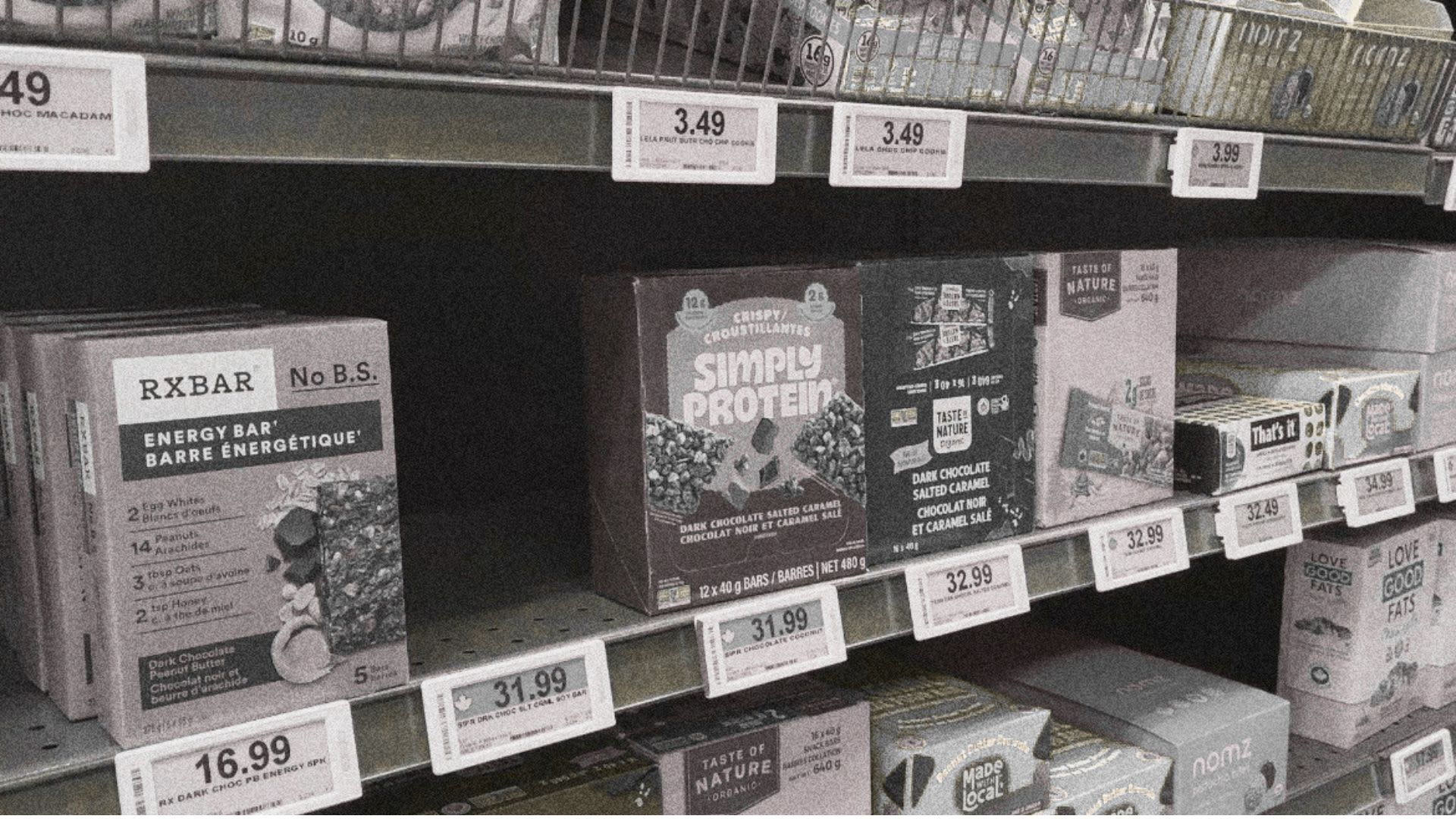
These convenience foods have helped expand protein consumption beyond athletes and fitness enthusiasts.
Instead, protein has become part of everyday eating habits.
The student perspective
Convenience can affect students' daily choices when juggling school, work, and social responsibilities.
Lina Abagoush, a college student studying dental assistance, says that she finds it hard to plan her meals due to the way that her schedule is set up.
“When I’m studying or busy with school, I try to lean towards healthier things, but I usually decide on what’s more convenient for me,” Abagoush says. “If it’s a late-night study session, I usually just look at what’s open.”
While protein labels may not drive her purchases entirely, Abagoush says she tends to feel more satisfied when a product she already wants also contains protein.
“If it’s something that I already want and it says high protein, I’ll feel better about buying it,” Abagoush says.
Most of her protein comes from eating meat during meals.
“I know that you’re supposed to take around the same number of grams of protein as your body weight,” Abagoush says. “But I’m not very educated on it beyond that.”

She suspects the attention on protein today derives more from trends and advertising rather than from science.
“I personally think the trend right now is more about marketing,” she says. “A lot of gym influencers promote protein as something everyone should take, but they don’t always explain the real benefits or downsides.”
Navigating the protein trend
As protein products continue to dominate grocery store shelves and social media feeds, consumers are left to navigate a growing number of choices.
For some, the focus on protein reflects genuine efforts to improve health and fitness. For others, the abundance of protein at the grocery store and in restaurants can be seen as a marketing strategy to cash in on the popularity of current diets.
While protein remains an essential part of a healthy diet, experts and trainers alike emphasize the importance of balanced nutrition.
Tsui emphasizes the importance of balance in nutrition rather than focusing on a single nutrient.
With the rise of protein-based products, consumers need to decide how much protein they are getting from the foods they consume and whether they really need it.


 Built with Shorthand