
[All information is quoted from the links provided. The selected sources are from reputable medical publishers]
Sinus rhythm
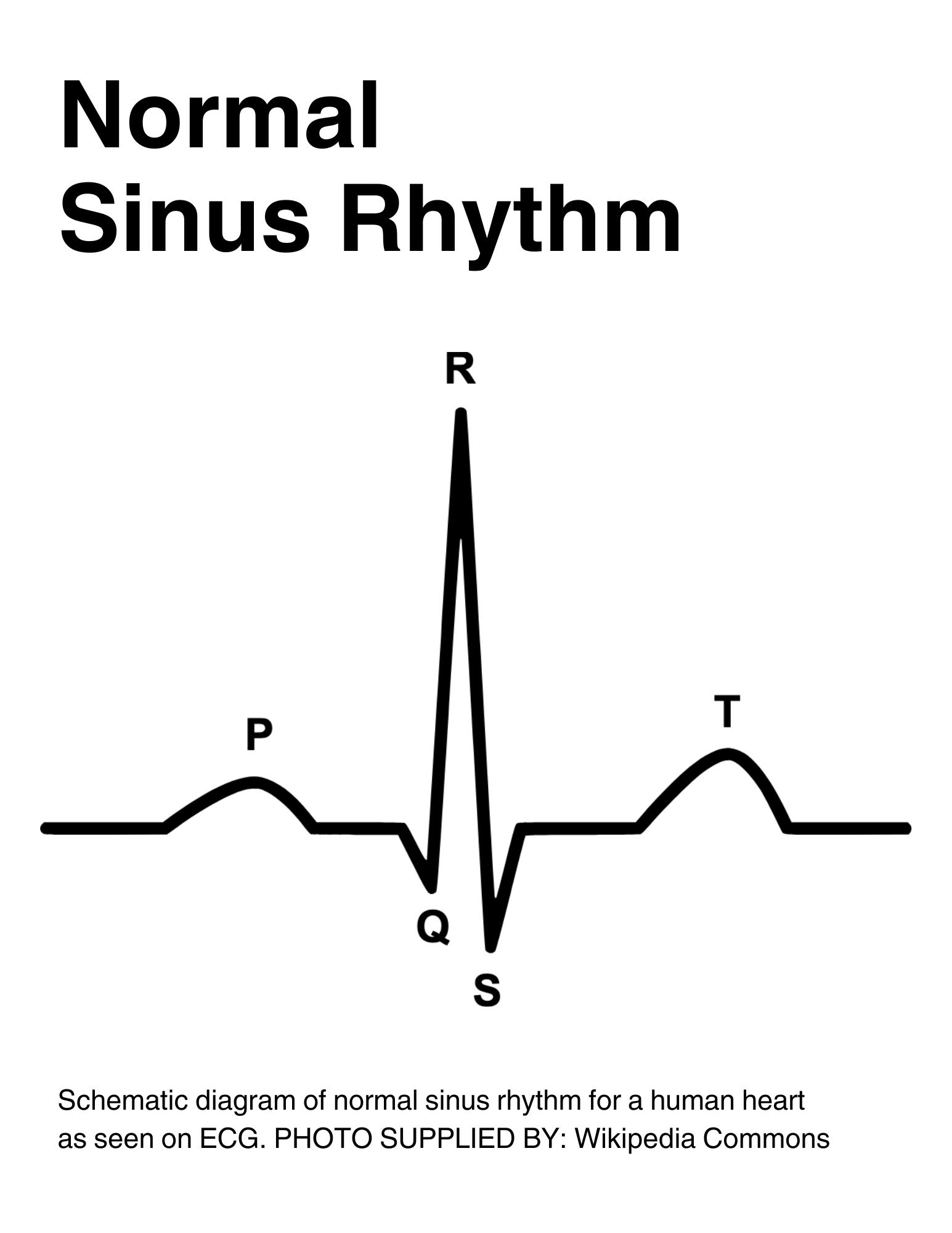
“In a typical heart rhythm, a tiny cluster of cells at the sinus node sends out an electrical signal. The signal then travels through the atria to the atrioventricular (AV) node and into the ventricles, causing them to contract and pump blood.
This natural pacemaker produces electrical signals that trigger each heartbeat. From the sinus node, electrical signals travel across the atria to the ventricles, causing them to contract and pump blood to the lungs and body.
Typically, the sinus node creates a steady pace of electrical impulses. The pace changes depending on activity, emotions and other factors.”
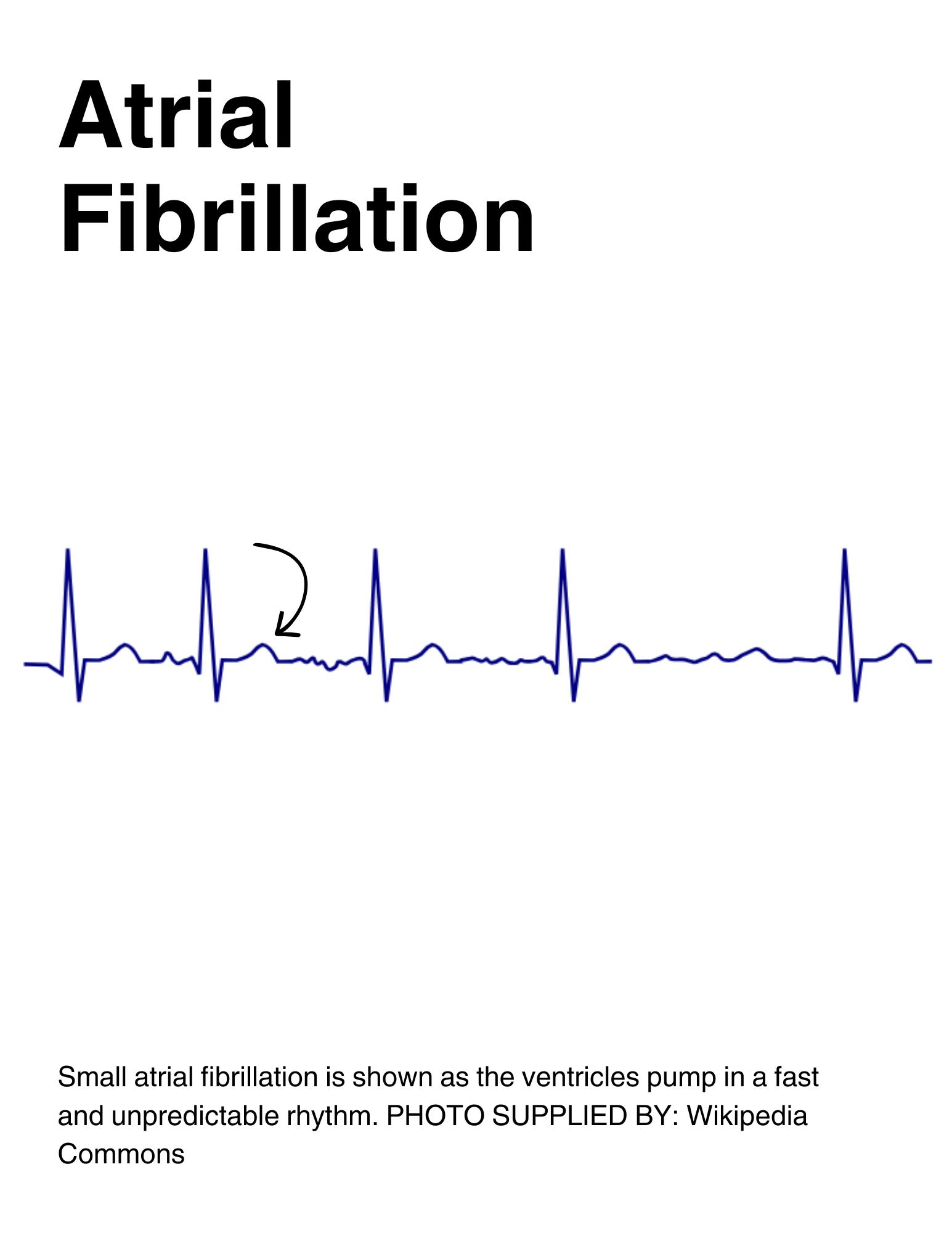
“Atrial fibrillation (AFib) is an irregular and often very rapid heart rhythm. An irregular heart rhythm is called an arrhythmia. AFib can lead to blood clots in the heart. The condition also increases the risk of stroke, heart failure and other heart-related complications.
During atrial fibrillation, the heart's upper chambers, called the atria, beat chaotically and irregularly. They beat out of sync with the lower heart chambers, called the ventricles. AFib may cause a fast, pounding heartbeat, shortness of breath or light-headedness. Some people don't notice symptoms.
Episodes of atrial fibrillation may come and go, or they may be constant. AFib itself usually isn't life-threatening. But it's a serious condition that needs proper treatment to prevent stroke.”
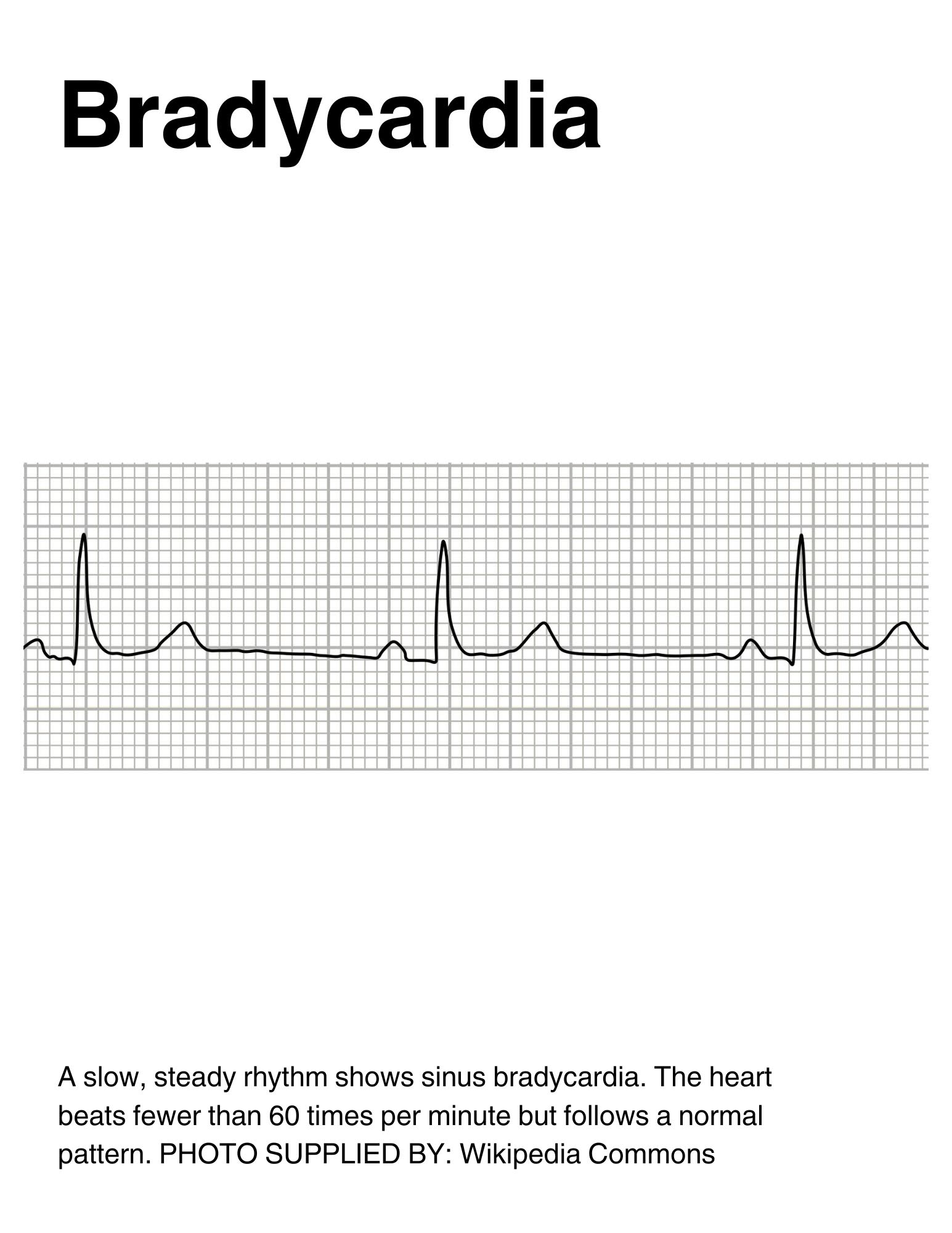
“Bradycardia (brad-e-KAHR-dee-uh) is a slow heart rate. The hearts of adults at rest usually beat between 60 and 100 times a minute. If you have bradycardia, your heart beats fewer than 60 times a minute.
Bradycardia can be a serious problem if the heart rate is very slow and the heart can't pump enough oxygen-rich blood to the body. If this happens, you may feel dizzy, very tired or weak, and short of breath. Sometimes bradycardia doesn't cause symptoms or complications.
A slow heart rate isn't always a concern. For example, a resting heart rate between 40 and 60 beats a minute is common in some people, particularly healthy young adults and trained athletes. It also is quite common during sleep.”
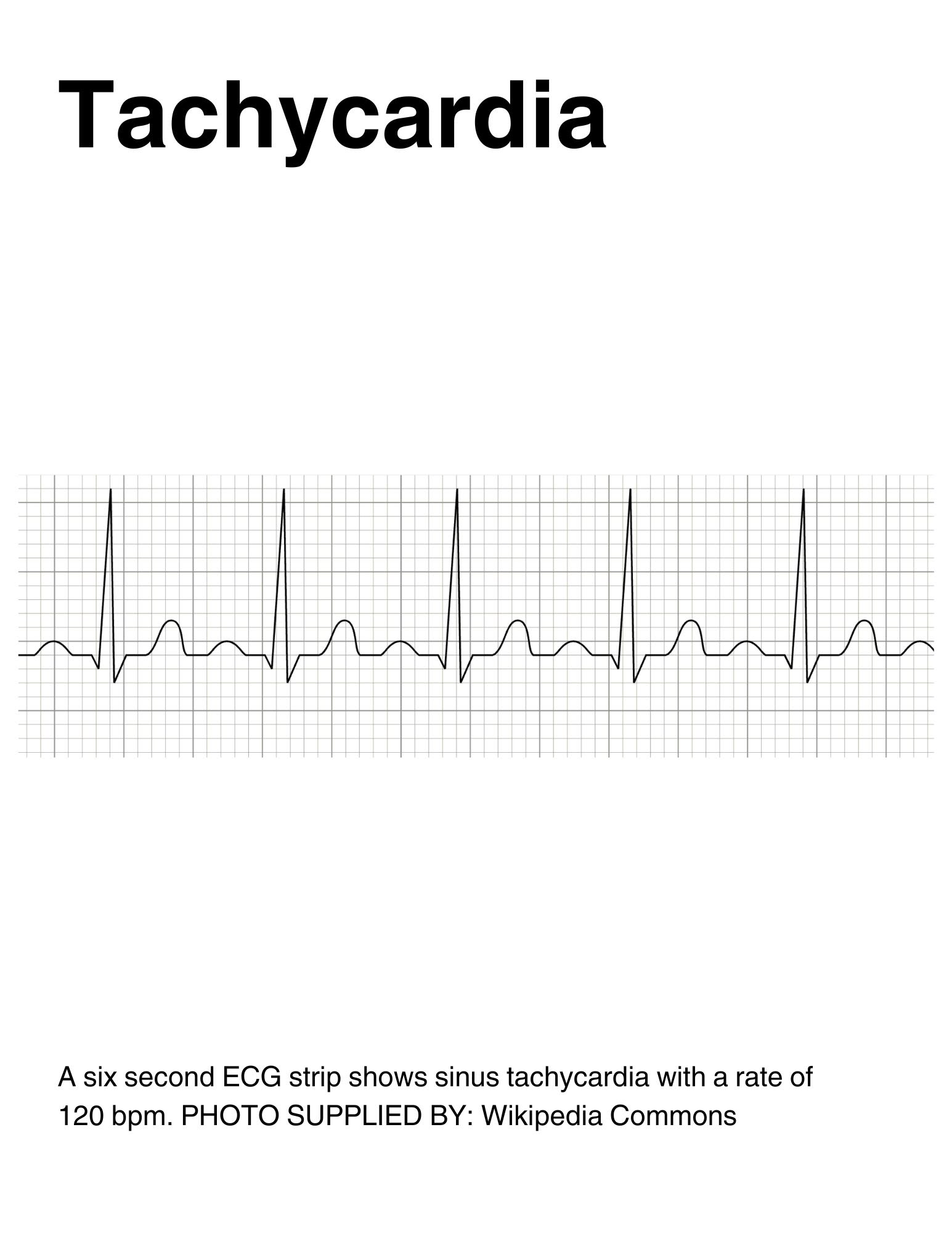
“Tachycardia (tak-ih-KAHR-dee-uh) is the medical term for a heart rate over 100 beats a minute. Many types of irregular heart rhythms, called arrhythmias, can cause tachycardia.
A fast heart rate isn't always a concern. For instance, the heart rate usually rises during exercise or as a response to stress.
Tachycardia may not cause any symptoms or complications. But sometimes it's a warning of a medical condition that needs attention. Some forms of tachycardia can lead to serious health problems if left untreated. Such problems may include heart failure, stroke or sudden cardiac death.”
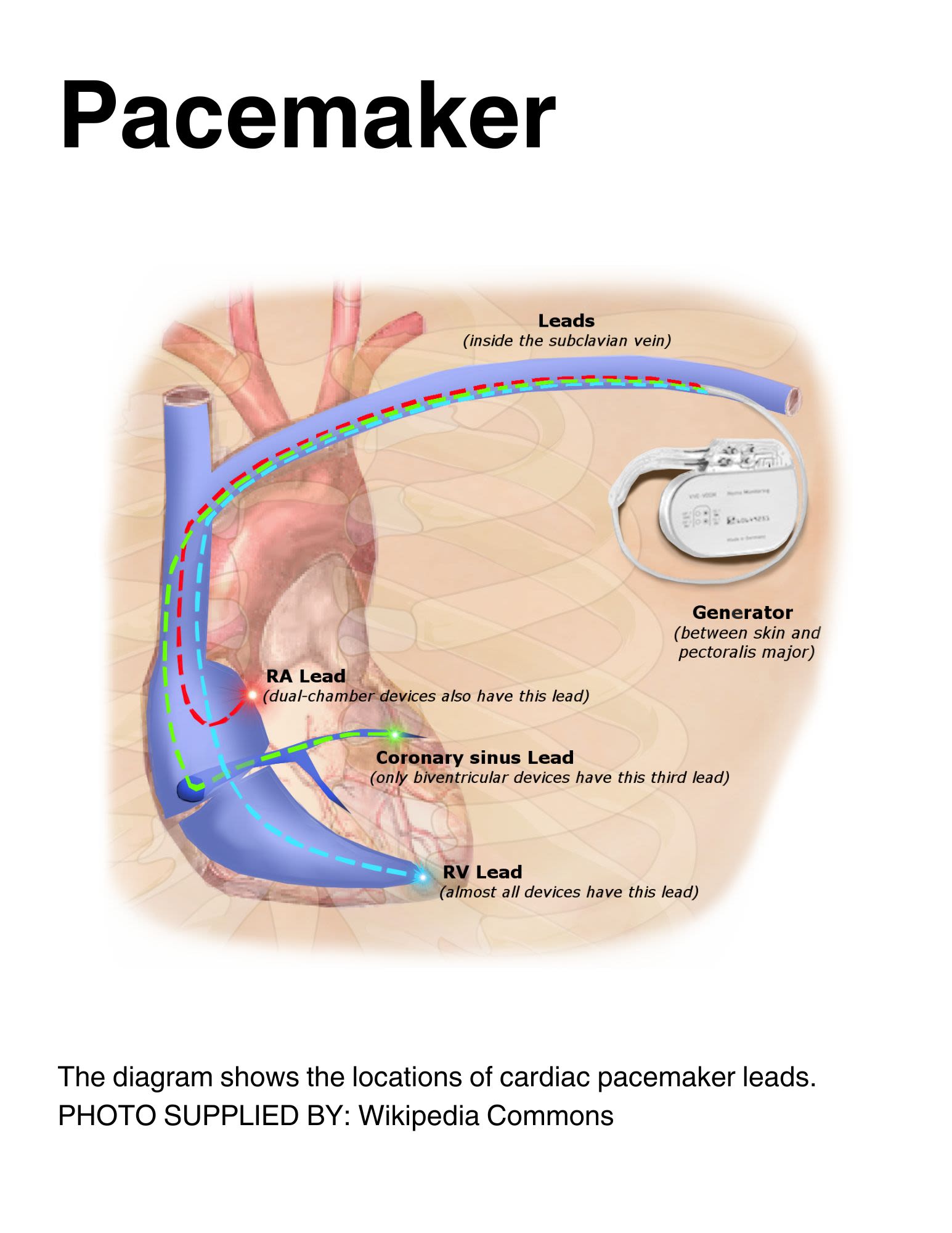
“A pacemaker is a small, battery-powered device that prevents the heart from beating too slowly. You need surgery to get a pacemaker. The device is placed under the skin near the collarbone.
A pacemaker also is called a cardiac pacing device.”
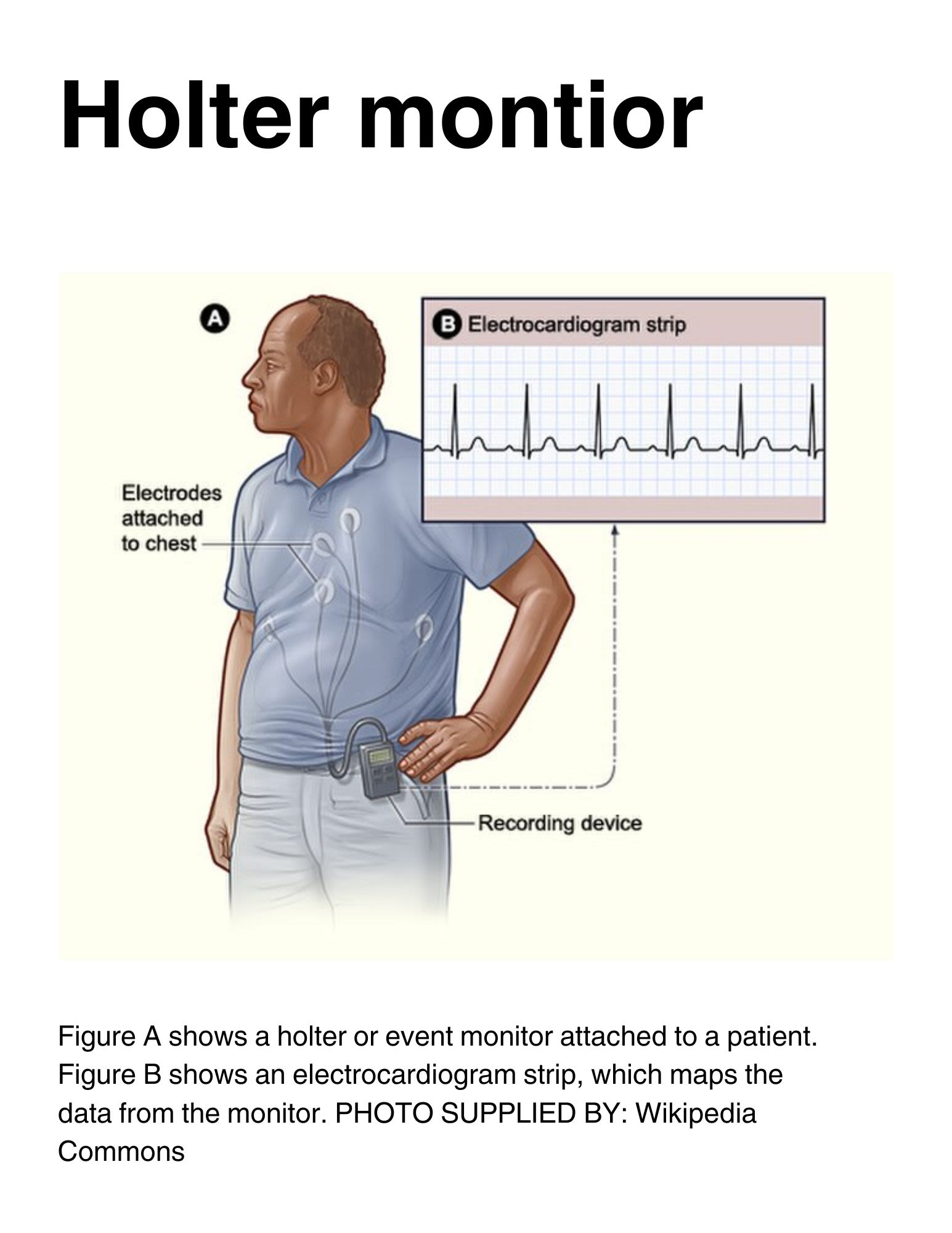
“A Holter monitor is a small, wearable device that records the heart's rhythm, usually for 1 to 2 days. It's used to spot irregular heartbeats, also called arrhythmias.
A Holter monitor test may be done if a traditional electrocardiogram (ECG or EKG) doesn't provide enough details about the heart's condition.
Some personal devices, such as smartwatches, offer electrocardiogram monitoring.”
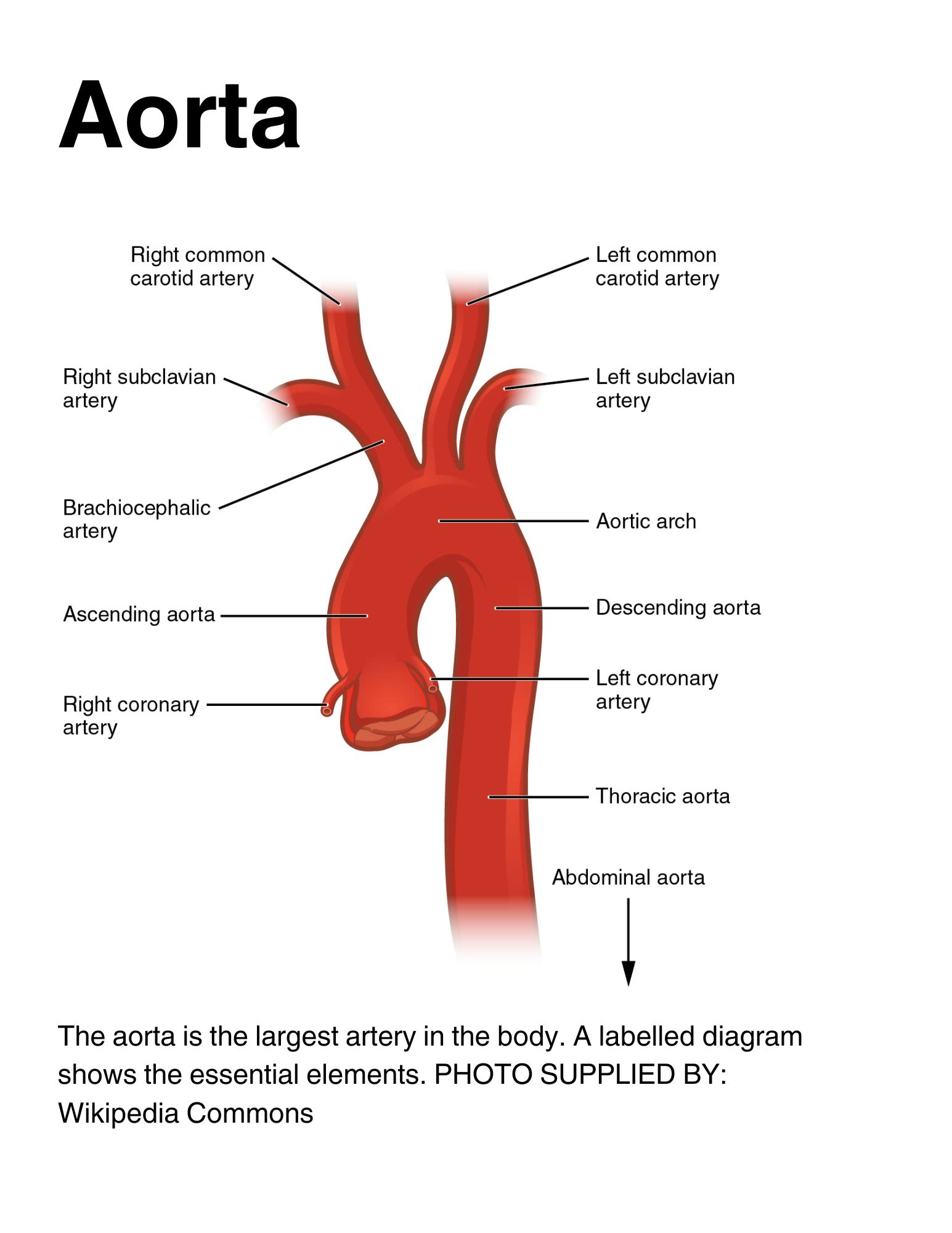
“The aorta is a cane-shaped artery. It starts in the lower-left chamber of your heart (ventricle). From there, it extends up toward your head a short distance before curving down. The aorta passes through your chest and abdominal cavities and ends at your pelvis.
Pairs of smaller blood vessels branch off from various points of the aorta. These branches extend the reach of the aorta to muscles, nerves and organs throughout your body.”
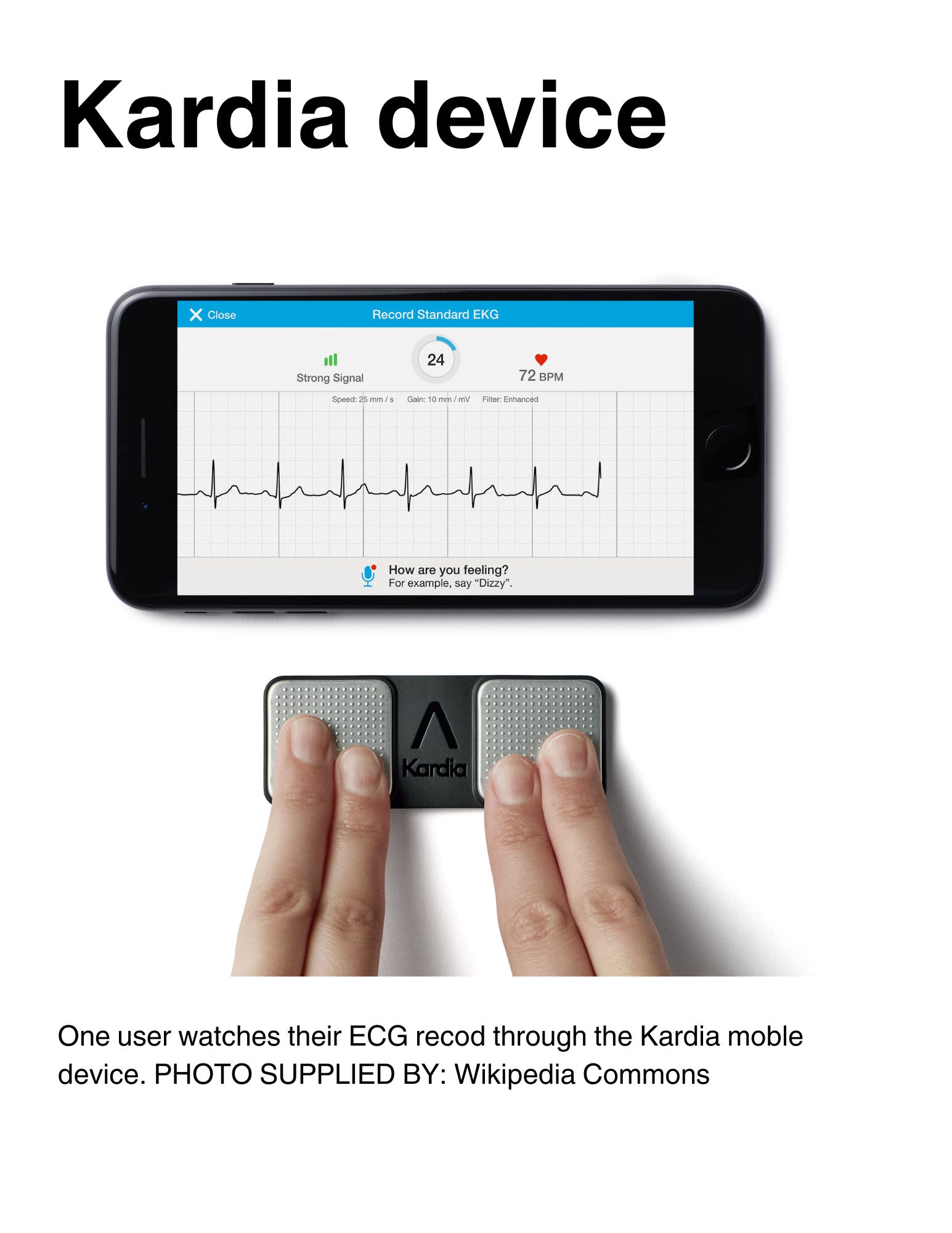
“KardiaMobile is the most clinically‑validated personal EKG in the world. Now a medical‑grade EKG can become part of your daily routine… Our suite of Kardia devices are clinically validated, Health Canada-licensed, and recommended by doctors worldwide. Take a medical-grade ECG in seconds right on your phone.”
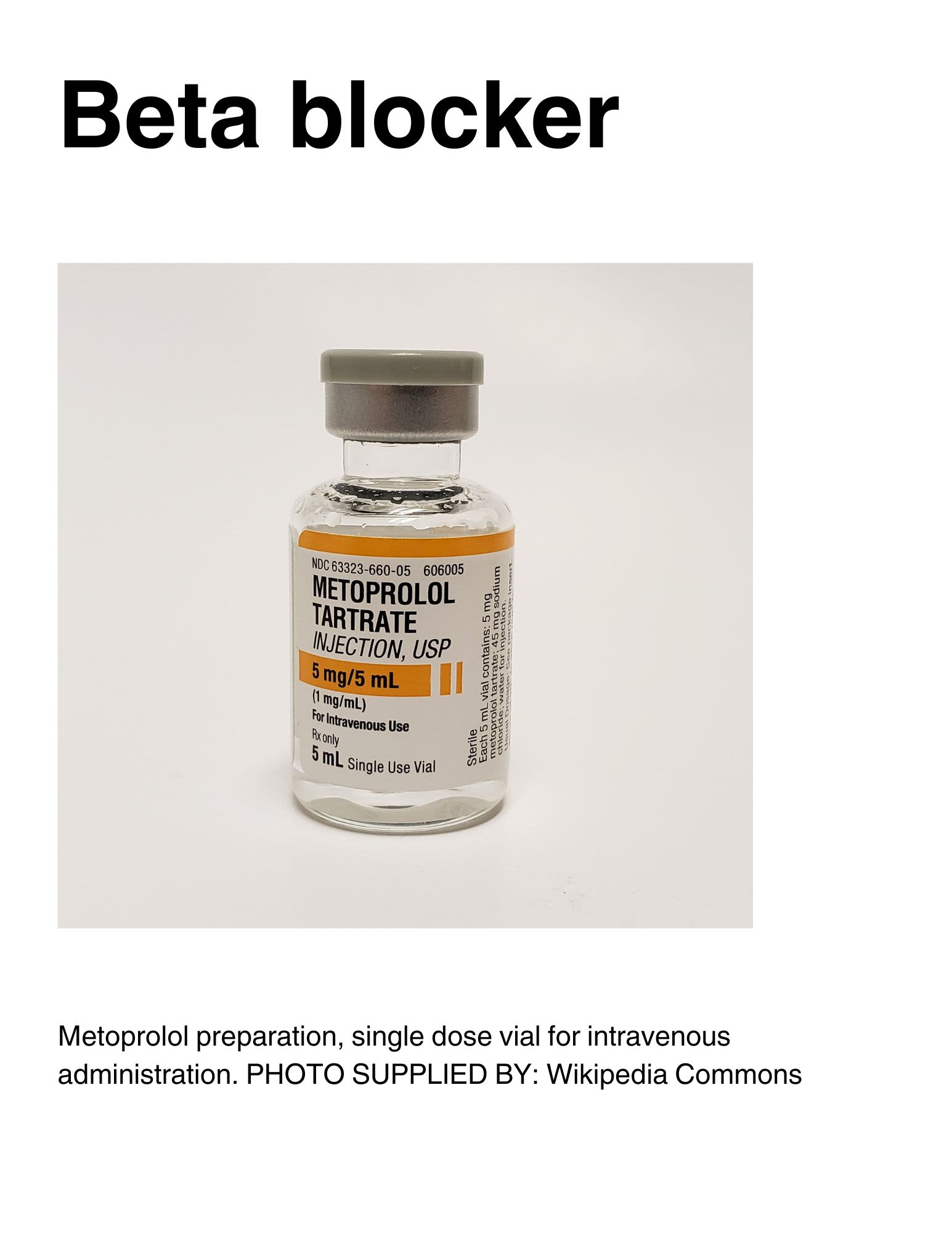
“Beta blockers are medicines that lower blood pressure. They also may be called beta-adrenergic blocking agents. These medicines block the effects of the hormone epinephrine, also known as adrenaline.
Beta blockers cause the heart to beat more slowly and with less force. This lowers blood pressure. Beta blockers also help widen veins and arteries to improve blood flow.”
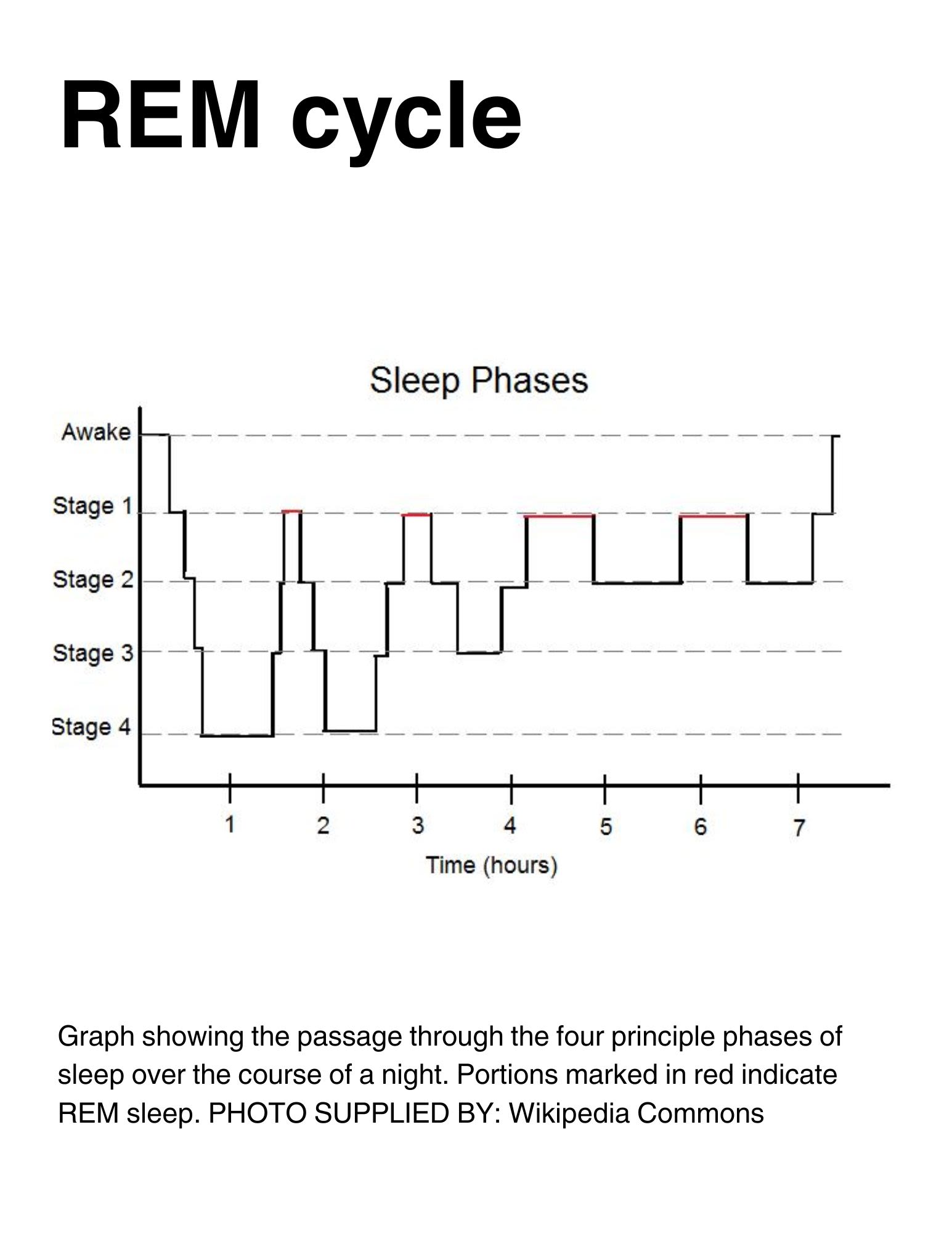
“Rapid eye movement (REM) sleep is the stage of sleep where most dreams happen. Its name comes from how your eyes move behind your eyelids while you’re dreaming. During REM sleep, your brain activity looks very similar to brain activity while you’re awake.
REM sleep makes up about 25% of your total time asleep. Your first REM cycle of a sleep period is typically the shortest, around 10 minutes. Each one that follows is longer than the last, up to an hour.”
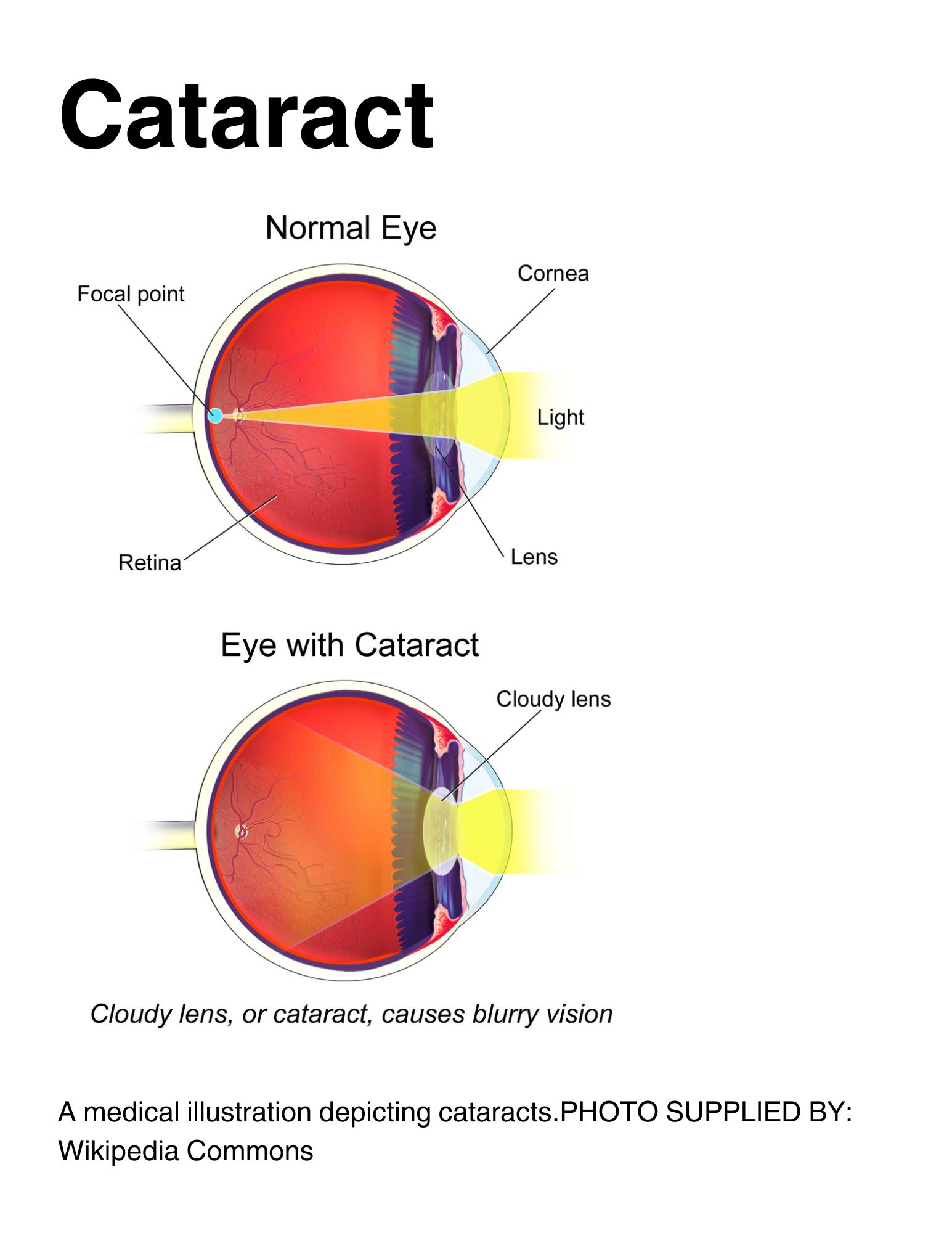
“A cataract is a clouding of the lens of the eye, which is typically clear. For people who have cataracts, seeing through cloudy lenses is often like looking through a frosty or fogged-up window. Clouded vision caused by cataracts can make it hard to read, drive a car at night or see the expression on a friend's face.
Most cataracts develop slowly and don't disturb eyesight early on. But with time, cataracts will eventually affect vision.”
"Biological molecules found in blood, other body fluids, or tissues that is a sign of a normal or abnormal process, or of a condition or disease. A biomarker may be used to see how well the body responds to a treatment for a disease or condition."

 Built with Shorthand