

The population of older adults in Canada is growing.
According to the Journal of the Canadian Association of Emergency Physicians, by 2031 the proportion of adults in Canada aged 65 and over will have nearly doubled, representing 25 per cent of the overall population by 2036.
This retirement wave is what some call the "age wave" or the "silver tsunami." These terms are used to describe the youngest group of baby boomers reaching retirement age by 2030. This will impact Canada’s universal health care system.
The UN and the WHO define an older adult as anyone over the age of 60.
Arjun Puri, a senior digital health strategist at the Data Intelligence for Health lab in the department of cardiac sciences, Cumming School of Medicine at the University of Calgary, says there's a correlation between an increase in older populations and the need for health management.
Health management is a quintessential component for older adults, especially those who wish to age in their own home. Aging in place confidently allows individuals “the health and social support and services they need to live safely and independently in their home or communities.”
So, what happens at the intersection of an aging population and the need to proactively manage, address and care for health risks?

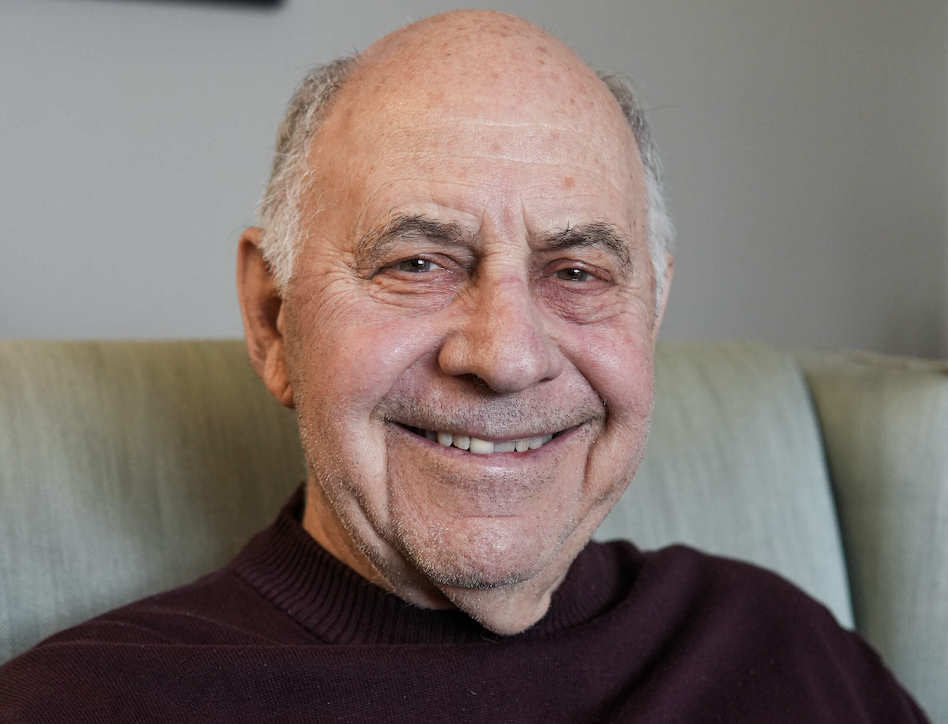




David Baldwin, 78, wears a Fitbit Sense 2.
David Baldwin, 78, wears a Fitbit Sense 2.

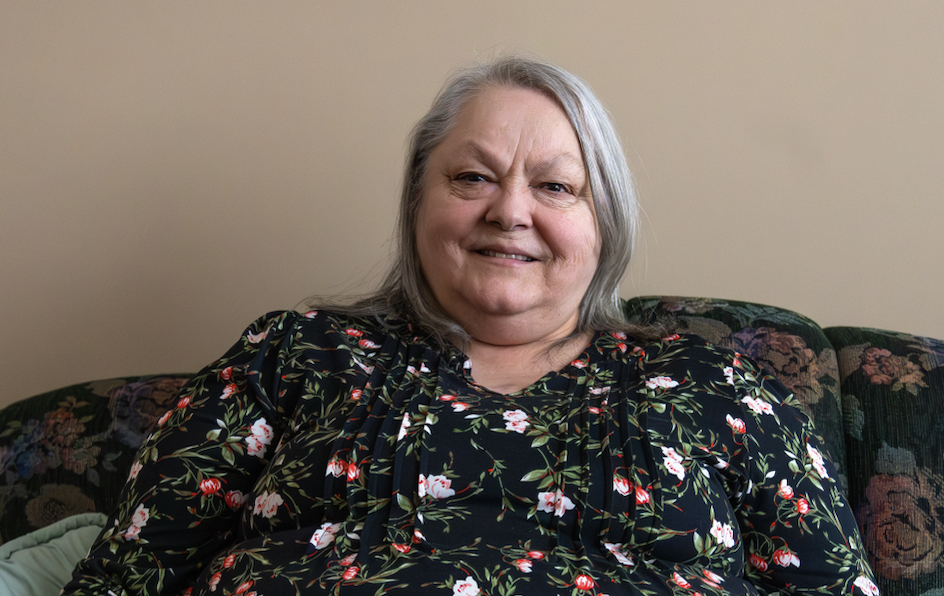
Evelyn Procyk, 62, wears an Apple Watch SE.
Evelyn Procyk, 62, wears an Apple Watch SE.

Patricia Neuman, 79, wears a Fitbit Charge 2
Patricia Neuman, 79, wears a Fitbit Charge 2
Understanding the digital age requirement
In a study titled The Digitization of Aging in Place, researchers found that the value of ‘active aging’ hinges on independence and risk management, with the use of technology.
Researchers argued that “older adults who are digitally excluded are also excluded from full participation in society.”
The relationship between older adults and technology is unique. Beyond smartphones, tablets and computers, a new form of technology is emerging.
Canada’s market for wearable tech is expected to grow at an average yearly rate of 8.8 per cent from 2026 to 2033. Similarly, smart watches are the “undisputed leader” in wearable tech over fitness tracker watches, hearables and smart earbuds.
Research from Grand View Horizon shows recent and projected trends for Canada's wearable technology market.
"In 2025, Canada accounted for 5.3 per cent of the global wearable technology market."
Wearable technology includes any product worn on a user’s body that “integrates computing with their daily tasks and activities.”
For some, a wearable device is an opportunity to count steps, track sleep and manage physical health. However, for others, smart wearables are a gateway to discovering hidden conditions, flagging concerns, or developing an active connection to health management with a physician or health professional.
Nanette Alvarez, an adult cardiologist through the University of Calgary at the Peter Lougheed Centre, says that smart wearables are a useful tool for both doctors and patients.
“I always ask myself three things: what wearables are accessible to them? What information do I want to get from that and how reliable is it? But the most important one is how am I going to implement it?” says Alvarez.
She says a smart watch should prioritize three main functions: heart rate, respiratory rate and oxygen content. Fall detection, sleep monitoring and a component for adding your medications are also desirable.
In addition to the watch, Alvarez recommends her patients use Kardia, an FDA-cleared, personal ECG device to track abnormal rhythms (arrhythmias) such as atrial fibrillation, bradycardia, and tachycardia.

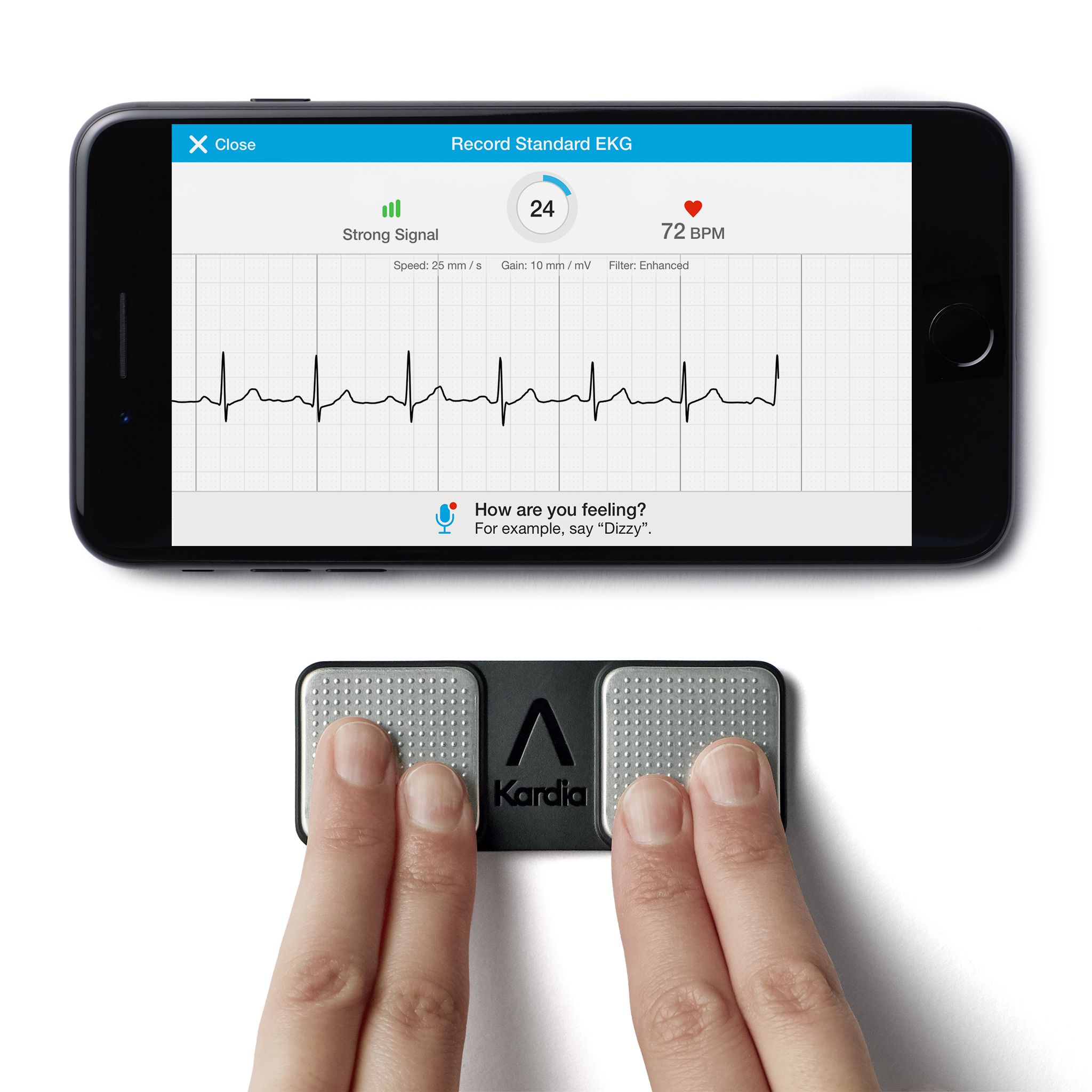
Kardia mobile is a hand-held device that allow the user to take on-the-go electrocardiograms. Each reading is saved and can be sent to a physician or healthcare professional from the app. PHOTO BY: WIKIPEDIA COMMONS
Kardia mobile is a hand-held device that allow the user to take on-the-go electrocardiograms. Each reading is saved and can be sent to a physician or healthcare professional from the app. PHOTO BY: WIKIPEDIA COMMONS
Although Alvarez believes there is a huge role for wearable devices in assisting older patients in managing their health, a challenge arises when individuals don't know how to make use of what they can offer.
“If I tell a little old lady to go and buy a smartwatch or to buy a Kardia so I can measure her heart rate and look at the rhythm, she's not going to do it because she has no idea how to program it, how to use it or how to make it work," she says.
Just how adept a senior might be at managing modern digital devices often depends on how prevalent technology was in their workplace, says Larry Mathieson, president and CEO of Unison for Generations 50+. Unison is a non-profit that serves community members over 50 years old.
“If you used computers or other tech in some type of career, then you might be less worried about using it in your [personal] or social life,” says Mathieson.


Larry Mathieson, president and CEO of Unison Alberta at Calgary’s Kerby Centre and Medicine Hat’s Veiner Centre works closely with older adults aged 50 plus. The Kerby centre runs digital skills workshops from time to time to help seniors navigate technology. PHOTO BY: XANDER HOLCOMB
Larry Mathieson, president and CEO of Unison Alberta at Calgary’s Kerby Centre and Medicine Hat’s Veiner Centre works closely with older adults aged 50 plus. The Kerby centre runs digital skills workshops from time to time to help seniors navigate technology. PHOTO BY: XANDER HOLCOMB
Some members at the Unison's Kerby Centre in Calgary are tech savvy, having worked with technology and computers for over 20 years.
Others require support with simply turning on their device.
Adoption and limitations
In 2019 a group of researchers used the Technology Acceptance Model to assess why older adults use smart wearables.
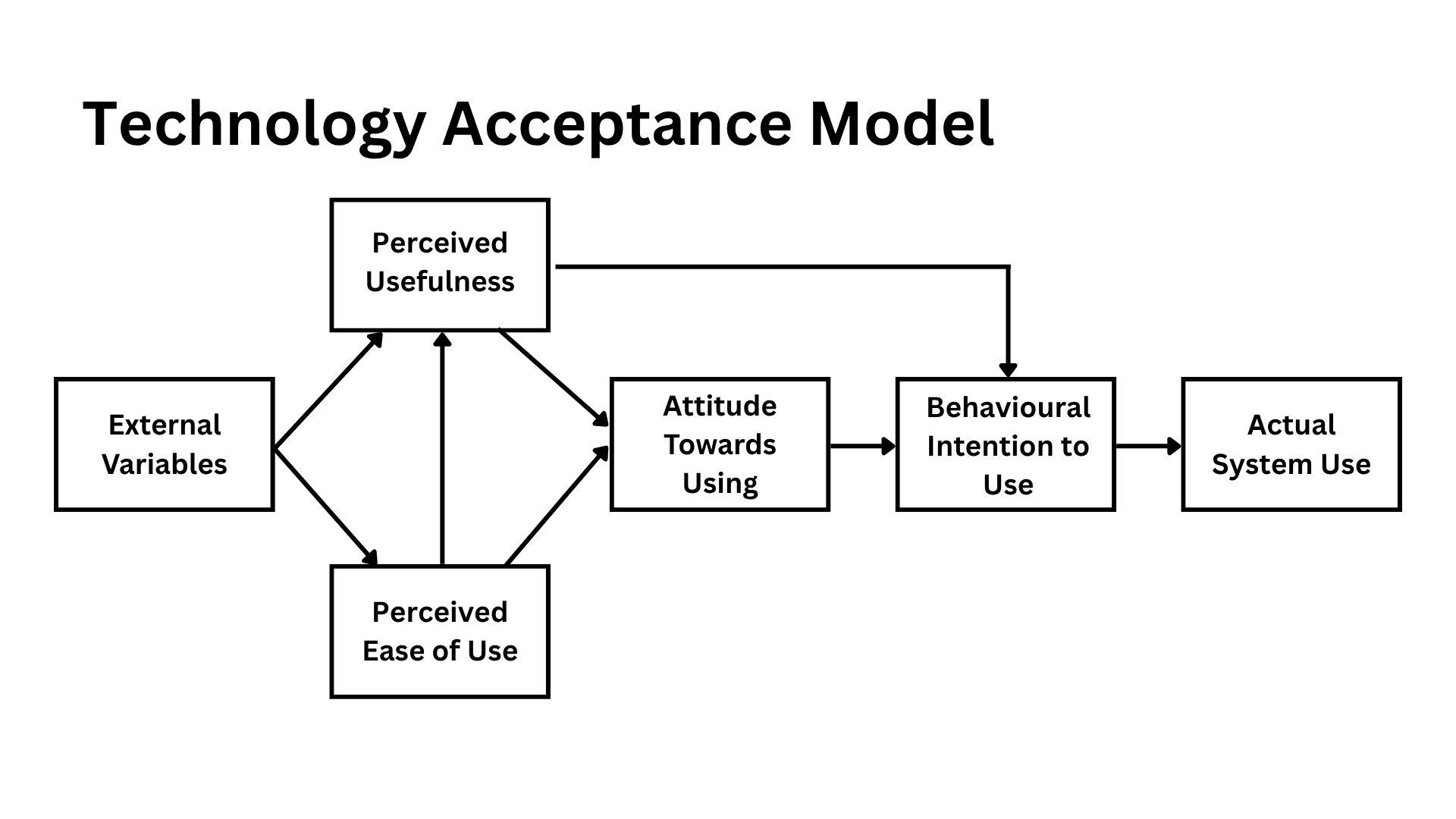
According to an article in Science Direct, the Technology Acceptance Model is "one of the most influential models of technology acceptance, with two primary factors influencing an individual’s intention to use new technology: perceived ease of use and perceived usefulness." GRAPHIC ADAPTED BY: AVA FREE
According to an article in Science Direct, the Technology Acceptance Model is "one of the most influential models of technology acceptance, with two primary factors influencing an individual’s intention to use new technology: perceived ease of use and perceived usefulness." GRAPHIC ADAPTED BY: AVA FREE
Based on their findings they determined healthcare and alert functions are the main factors that enhance the use of wearable devices.
In 2022, a different group of researchers acknowledged that older adult perspectives towards smart technologies were impacted by “their ability to access and use new technologies founded on the probable cost and their personal capability to use [the device].”
Usability is a common problem physicians face when encouraging seniors to adopt new technology.
Alvarez says she’d love to implement a system where facilitation exists for older adults who could benefit from smart wearables.
"In my perfect world, I think you need somebody who's going to sit down with them," she says. "‘Come in with your new watch and let's set it up for the things Dr. Alvarez wants to look at. Let me make sure you understand how to do that.’"
There are several resources across Canada for older adults to access support regarding tech. Connected Canadians is a “national digital inclusion charity that promotes digital literacy skills amongst older adults by providing free technology training and support.”
In Calgary, the Unison's Kerby Centre periodically hosts digital skills training for seniors through its active aging program.
Despite available resources and support, affordability remains a concern.
Managing the cost
Choosing to integrate a smartwatch into health management is an investment.
Researchers from the National Library of Medicine found “cost is often identified as a major barrier.” Furthermore, they acknowledged how socioeconomic factors affect adoption rates, noting that patients with “higher incomes have a greater likelihood of utilizing wearable devices.”
Across four of the leading brands, Samsung GalaxyFit 3 is the cheapest at $85, while Garmin’s MARQ model is the most expensive at $2,760.
Evelyn Procyk, 62, uses an Apple Watch to manage her heart health. She says there are financial boundaries to accessing the technology.
“The biggest question [for me] is, can [seniors] afford it because it's not cheap. My mother-in-law would not be able to do that," says Procyk. "And a lot of my friends that I associate with can't [afford] it either… I think that’s the biggest problem. If a watch was [available to them] they would make sure they understood how to use it.”

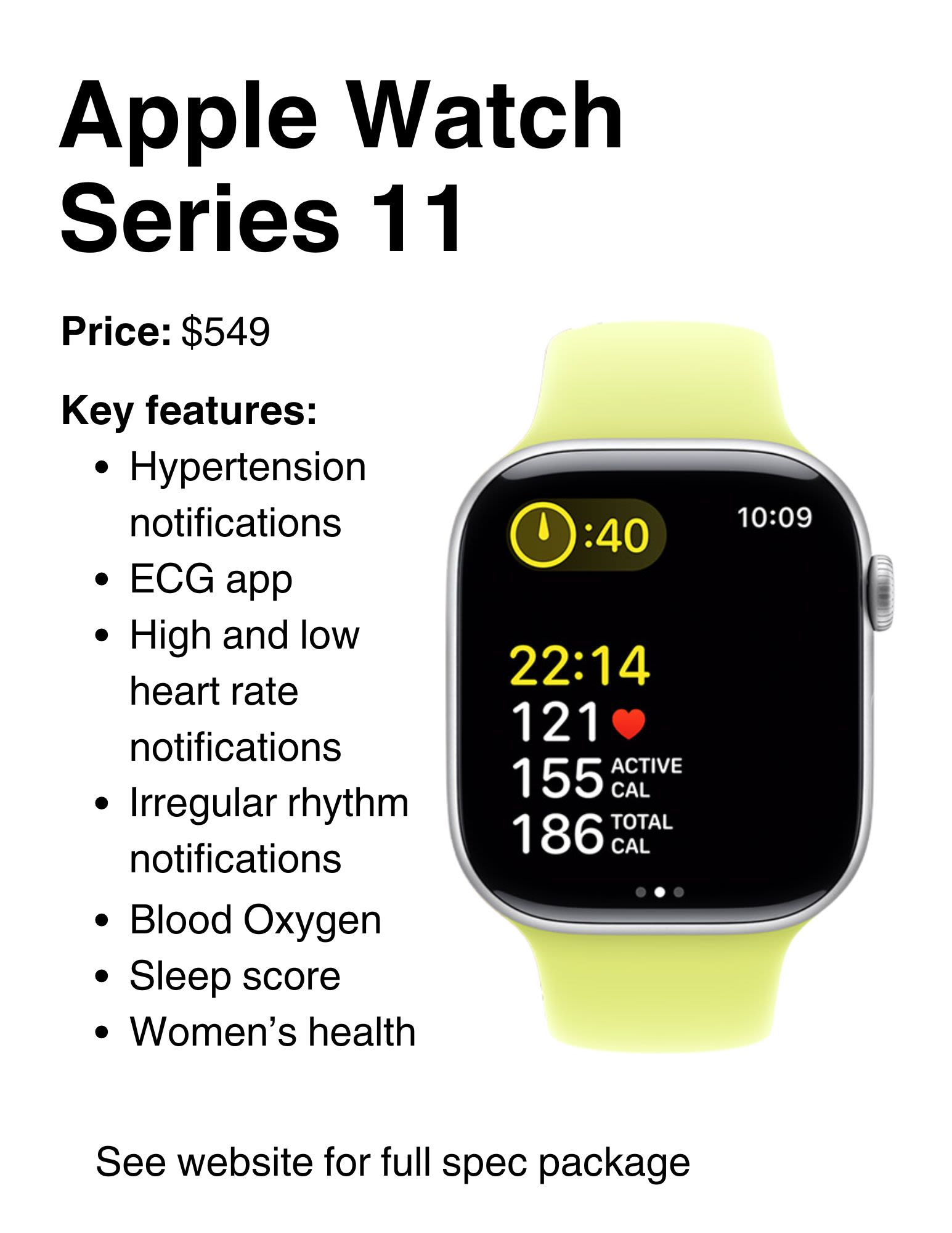
Four smart wearable devices for health and fitness across four of the leading market brands are featured next to key features pertaining to health management. GRAPHIC BY: AVA FREE with PHOTOS FROM: Apple, Google, Samsung and Garmin
Four smart wearable devices for health and fitness across four of the leading market brands are featured next to key features pertaining to health management. GRAPHIC BY: AVA FREE with PHOTOS FROM: Apple, Google, Samsung and Garmin
Four smart wearable devices for health and fitness across four of the leading market brands are featured next to key features pertaining to health management. GRAPHIC BY: AVA FREE with PHOTOS FROM: Apple, Google, Samsung and Garmin
Four smart wearable devices for health and fitness across four of the leading market brands are featured next to key features pertaining to health management. GRAPHIC BY: AVA FREE with PHOTOS FROM: Apple, Google, Samsung and Garmin
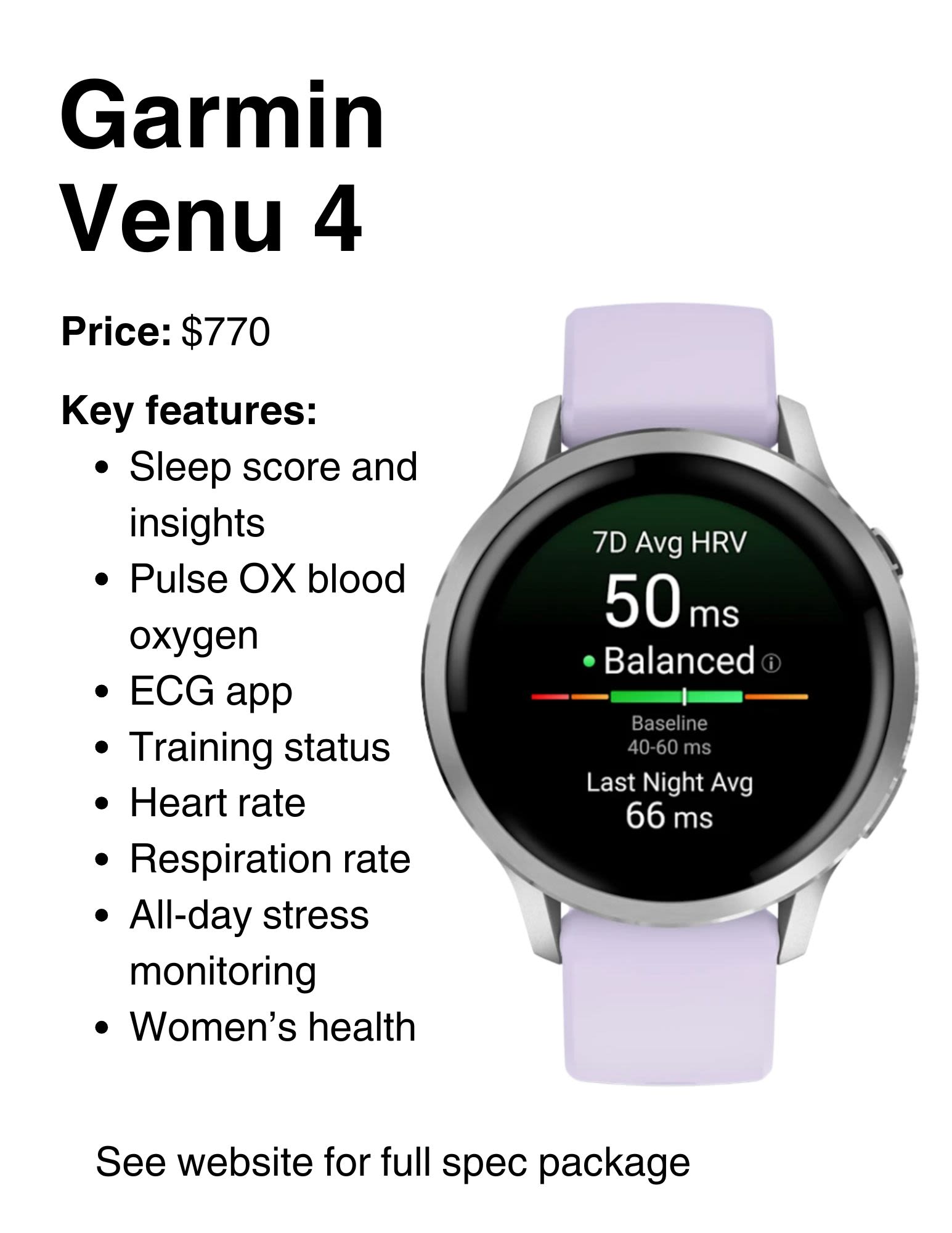
Four smart wearable devices for health and fitness across four of the leading market brands are featured next to key features pertaining to health management. GRAPHIC BY: AVA FREE with PHOTOS FROM: Apple, Google, Samsung and Garmin
Four smart wearable devices for health and fitness across four of the leading market brands are featured next to key features pertaining to health management. GRAPHIC BY: AVA FREE with PHOTOS FROM: Apple, Google, Samsung and Garmin
Four smart wearable devices for health and fitness across four of the leading market brands are featured next to key features pertaining to health management. GRAPHIC BY: AVA FREE with PHOTOS FROM: Apple, Google, Samsung and Garmin
Four smart wearable devices for health and fitness across four of the leading market brands are featured next to key features pertaining to health management. GRAPHIC BY: AVA FREE with PHOTOS FROM: Apple, Google, Samsung and Garmin
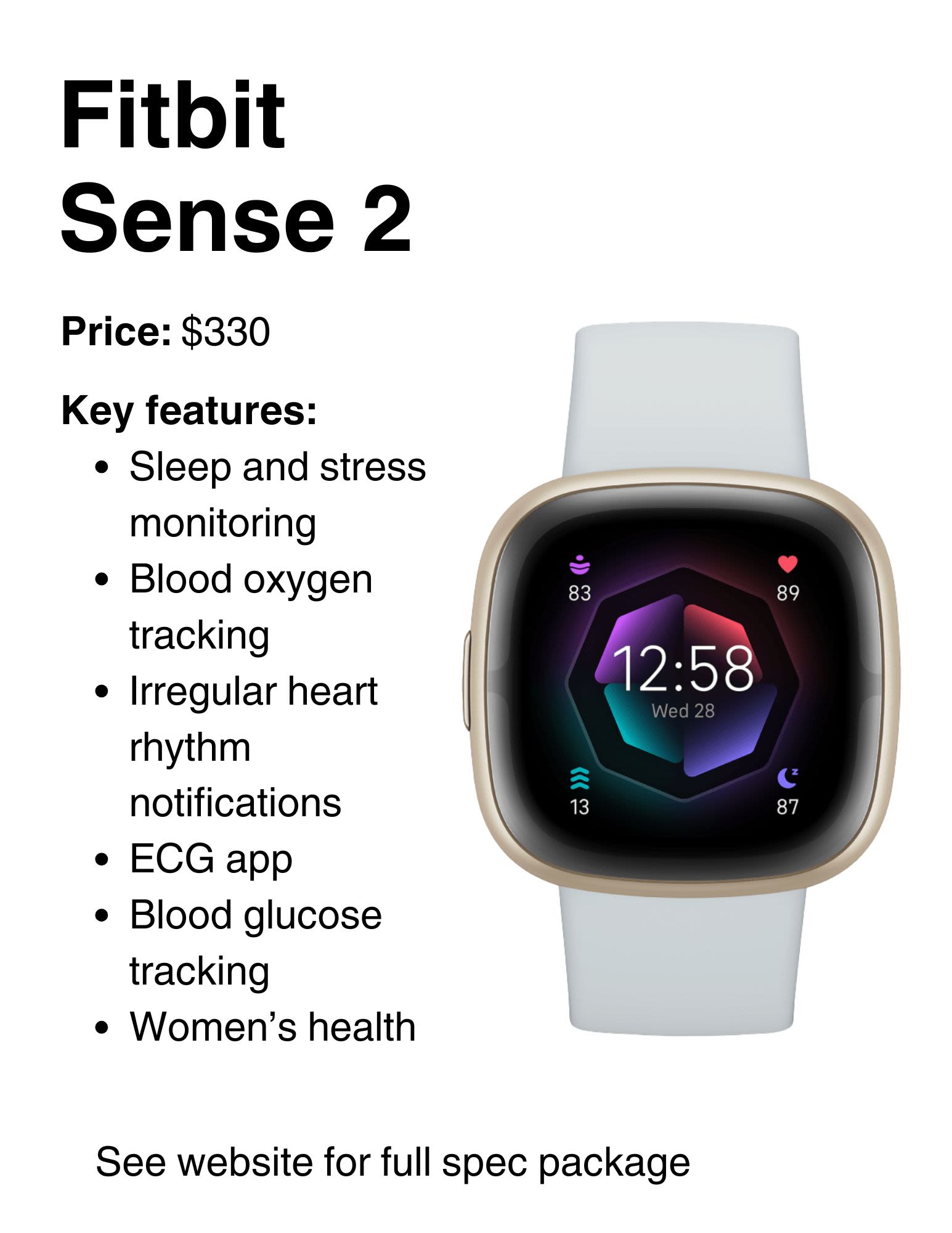
Four smart wearable devices for health and fitness across four of the leading market brands are featured next to key features pertaining to health management. GRAPHIC BY: AVA FREE with PHOTOS FROM: Apple, Google, Samsung and Garmin
Four smart wearable devices for health and fitness across four of the leading market brands are featured next to key features pertaining to health management. GRAPHIC BY: AVA FREE with PHOTOS FROM: Apple, Google, Samsung and Garmin
Four smart wearable devices for health and fitness across four of the leading market brands are featured next to key features pertaining to health management. GRAPHIC BY: AVA FREE with PHOTOS FROM: Apple, Google, Samsung and Garmin
Four smart wearable devices for health and fitness across four of the leading market brands are featured next to key features pertaining to health management. GRAPHIC BY: AVA FREE with PHOTOS FROM: Apple, Google, Samsung and Garmin
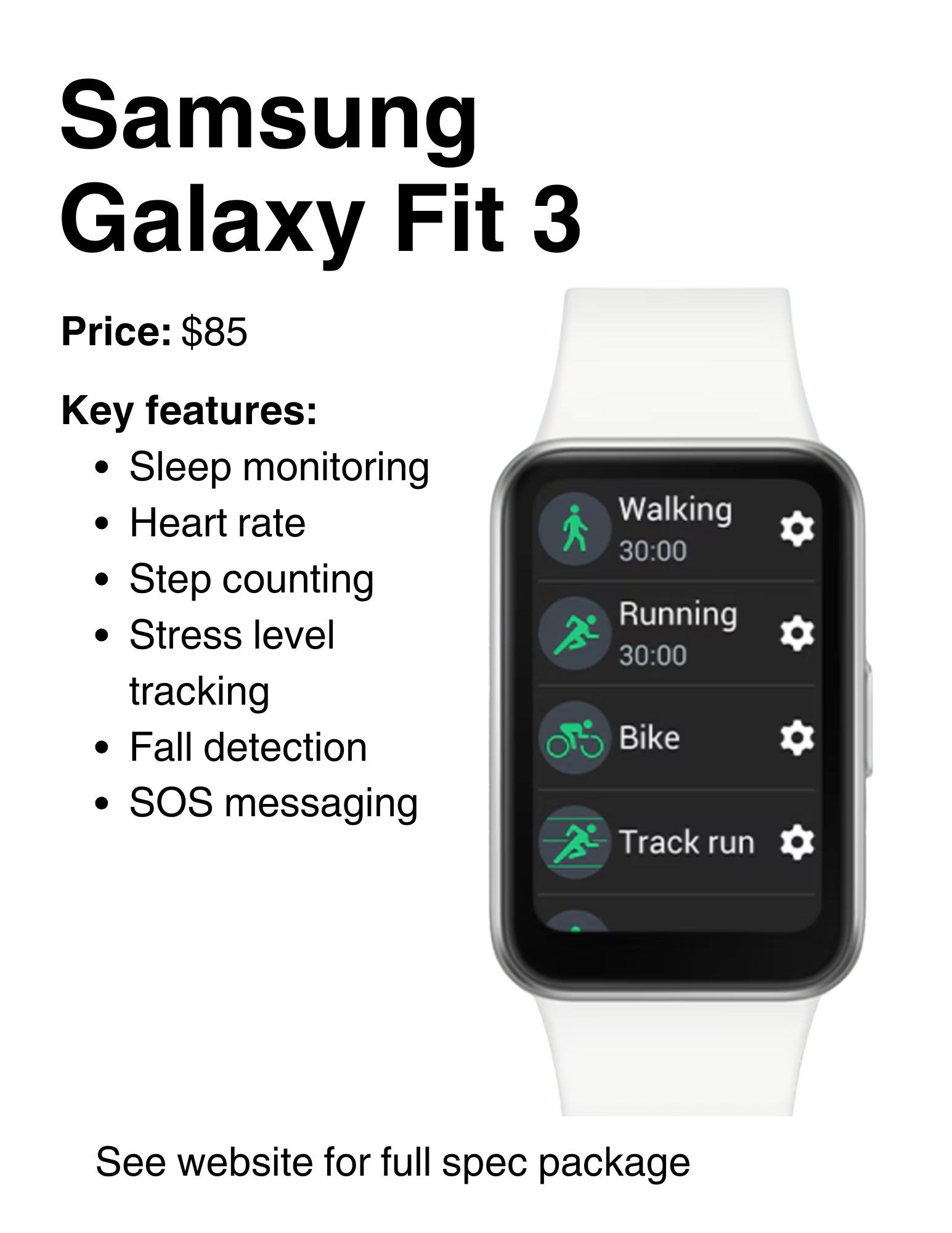
Four smart wearable devices for health and fitness across four of the leading market brands are featured next to key features pertaining to health management. GRAPHIC BY: AVA FREE with PHOTOS FROM: Apple, Google, Samsung and Garmin
Four smart wearable devices for health and fitness across four of the leading market brands are featured next to key features pertaining to health management. GRAPHIC BY: AVA FREE with PHOTOS FROM: Apple, Google, Samsung and Garmin
Four smart wearable devices for health and fitness across four of the leading market brands are featured next to key features pertaining to health management. GRAPHIC BY: AVA FREE with PHOTOS FROM: Apple, Google, Samsung and Garmin
Four smart wearable devices for health and fitness across four of the leading market brands are featured next to key features pertaining to health management. GRAPHIC BY: AVA FREE with PHOTOS FROM: Apple, Google, Samsung and Garmin
For others, like 78-year-old David Baldwin, it means switching manufacturers to save.
Baldwin used an Apple Watch for several years before looking into a replacement. However, upgrading his watch would cost him far more than the device itself if he stuck with Apple.
No matter the cost, Alvarez emphasizes how it’s important “that whatever you choose for your patient or whatever the patient chooses for themselves, is accurate.”
Accuracy not only gives the user confidence in the device but it promotes a well-rounded perspective on health management.
But what about other barriers?
How can older adults overcome digital literacy, anxiety and misconceptions in health management through smart wearables?
 Built with Shorthand