
Overcoming the silent barriers of modern tech
Digital literacy, anxiety and misconceptions in smart wearable related health management
Ava Free, Brennen French and Xander Holcomb
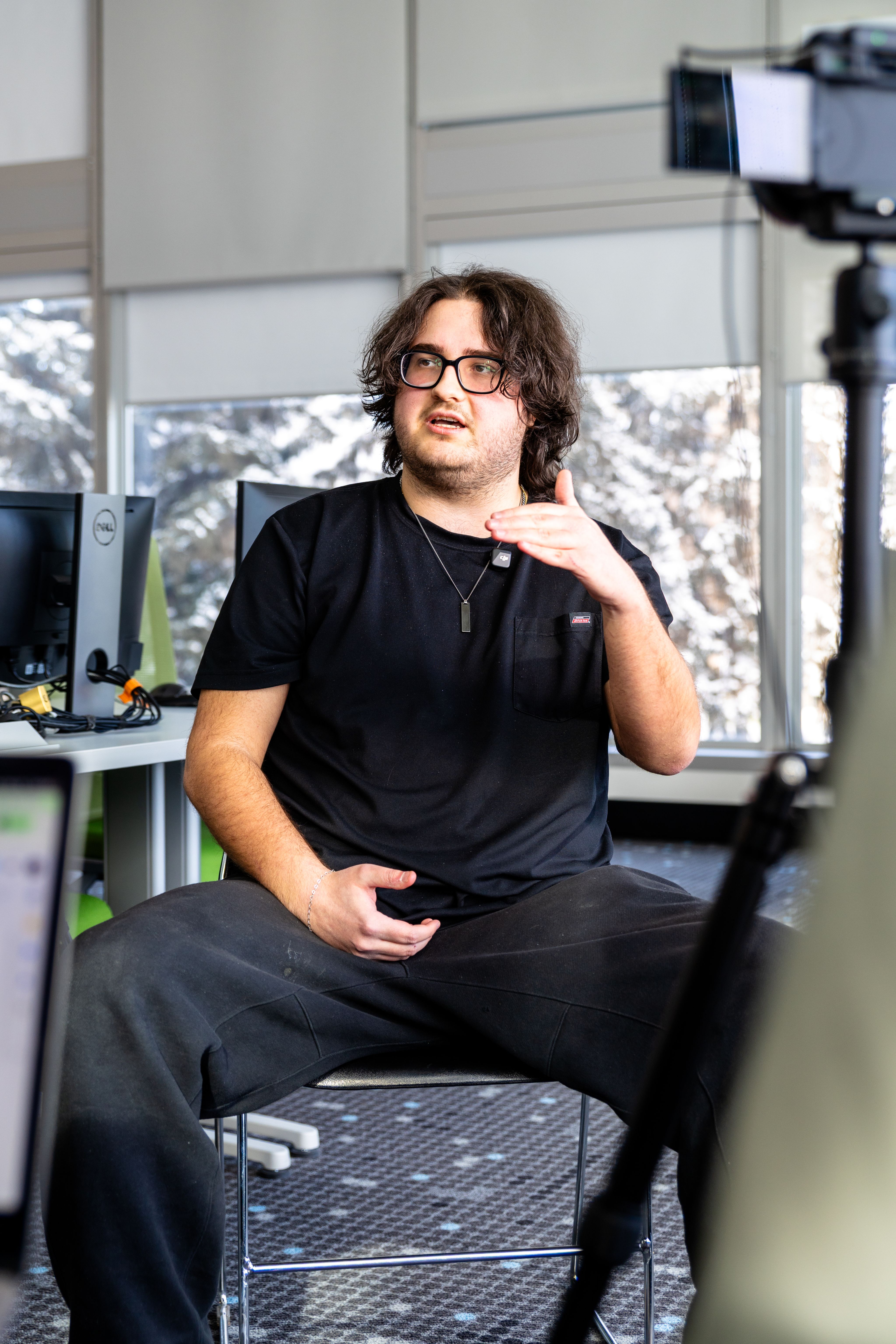

“The problem with inaccurate data is, you may scare the patient half to death for no good reason."
Dr. Nanette Alvarez
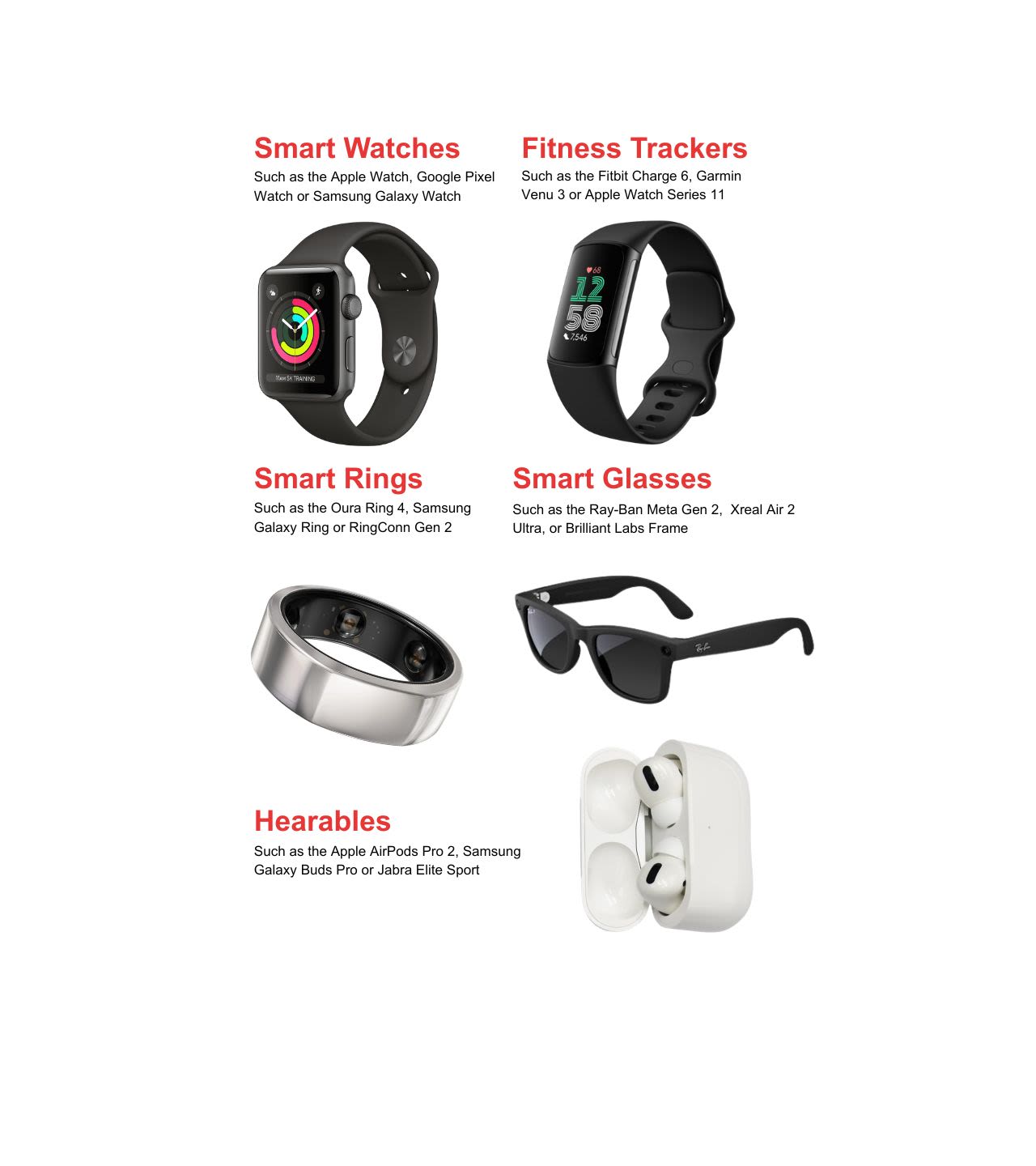
Digital tools such as smart wearable devices are rapidly advancing, allowing individuals the opportunity to access reliable health monitoring.
Older adults are amongst several demographics who can reap these benefits.
However, how well does the industry consider this population when developing new technologies?
Full-stack developer and technological entrepreneur, Stefan Machidon, says that as younger software developers enter the industry, the product will reflect the needs of those who are designing it.

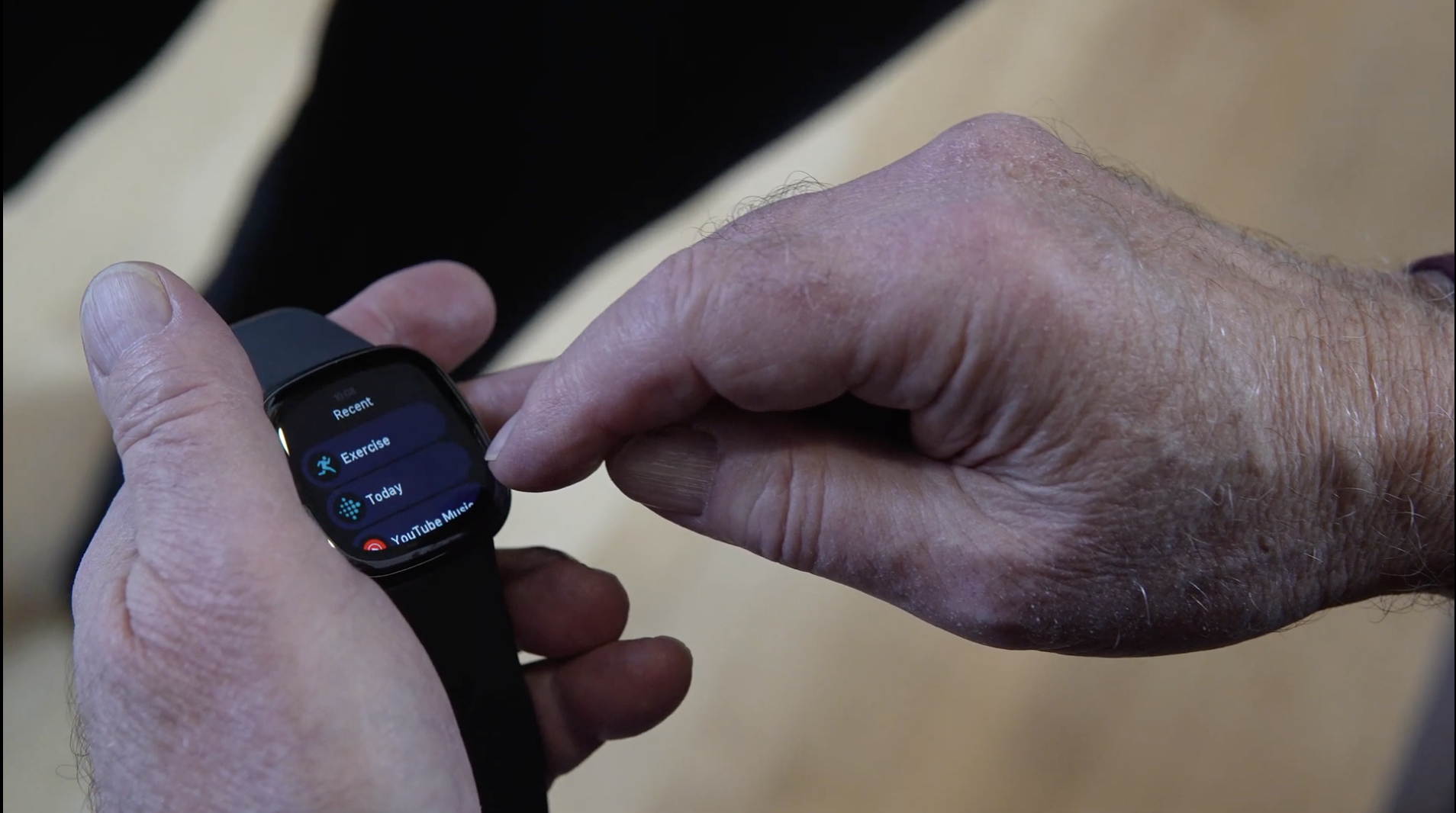
Technological fluency is a consistent challenge for older populations.
Machidon contends how the “unspoken language behind these interfaces is catered towards younger generations rather than maintaining accessible user interfaces for older adults.”
The "unspoken language" Machidon refers to is widely known as digital literacy.
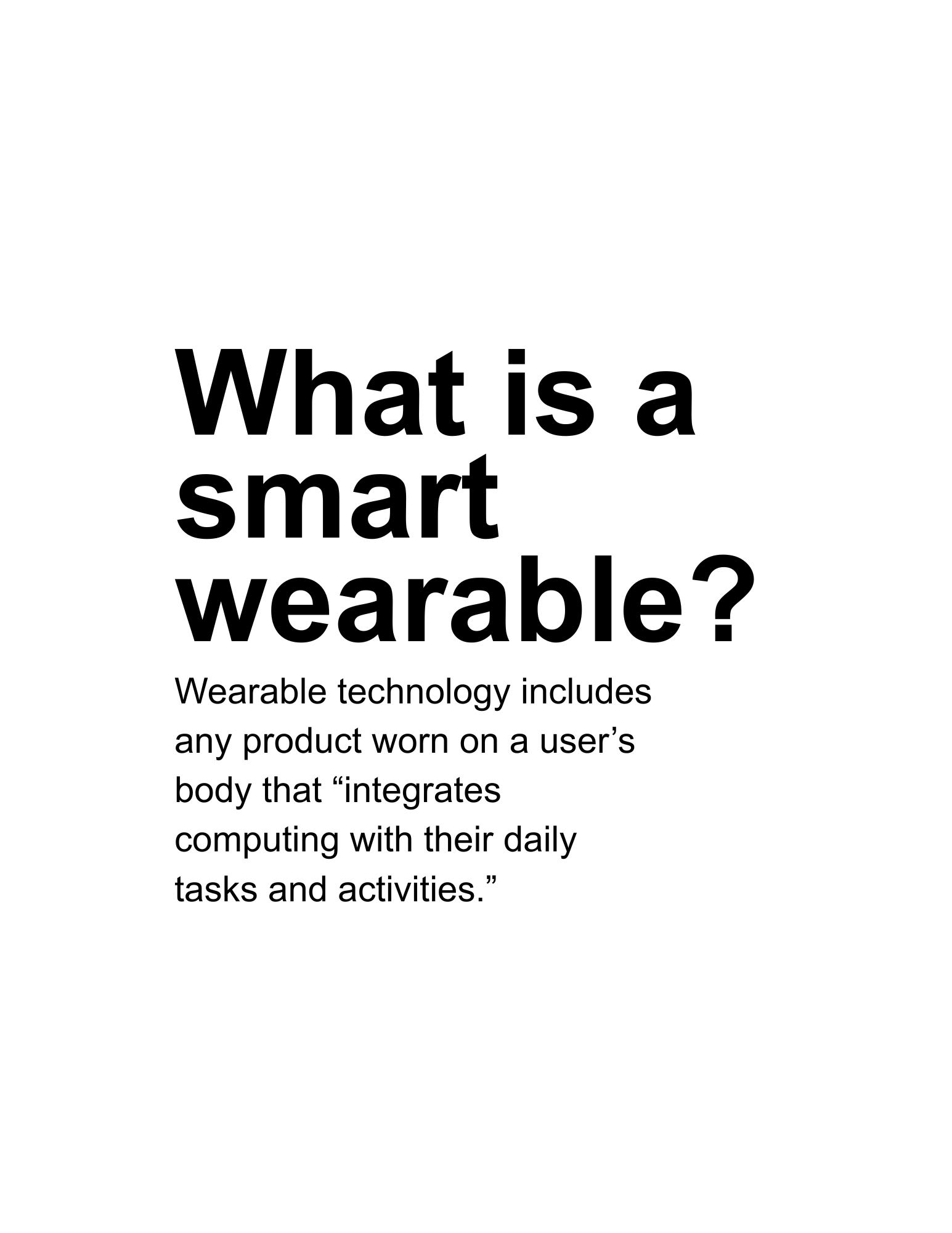
The National Library of Medicine describes digital literacy as “the diverse skill levels individuals possess in using digital technologies and navigating their associated risks with discernment and confidence."
Older adults are struggling to keep up with the complete switch to digital platforms and digital literacy is especially important for those engaging with health information.
In a 2024 study focused on comparing individuals with varied abilities in information discernment, researchers acknowledged how older adults often protect themselves from health misinformation by taking a cautionary approach and resorting to the strategy of avoidance.
“Beyond limiting avoidance, digital literacy training was found to improve older adults’ abilities in discerning misinformation.”

Watch-induced anxiety

While seeing the benefits available from this technology, Calgary-based cardiologist Nanette Alvarez emphasizes how patients with existing health conditions may be prone to higher rates of anxiety over notifications related to their diagnosis.
Some call this ‘cyberchondria’: induced stress based on over-searching and misinterpreting digital data and information about an individual’s personal health.


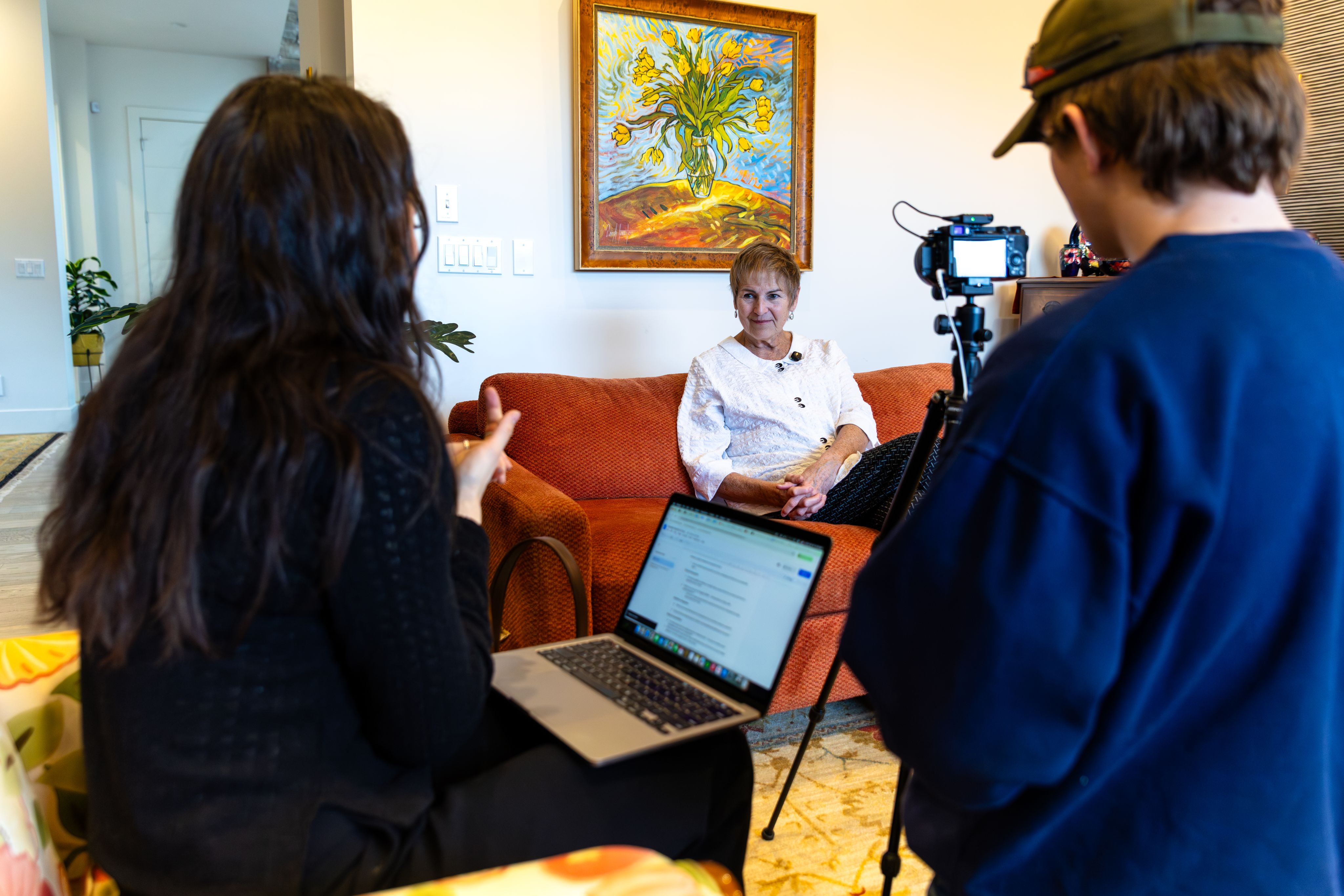
Nanette Alvarez, a cardiologist in Calgary explains how technology-induced in seniors is common, especially when they don't normally use a device. PHOTO BY: XANDER HOLCOMB
Nanette Alvarez, a cardiologist in Calgary explains how technology-induced in seniors is common, especially when they don't normally use a device. PHOTO BY: XANDER HOLCOMB
The illusion of complete precision can create stress based on warnings, yet to be confirmed by a medical professional. Alvarez says it’s important for older adults to be vigilant when analyzing their watch data.
“The problem with inaccurate data is, you may scare the patient half to death for no good reason,” she says. “Once they get something, they feel that it's gospel.”
Addressing inaccuracies

Based on a 2024 broad-concept review of 904 studies published by PubMed Central, wearable health monitoring technology demonstrates high accuracy across a range of various biometric health systems.
While some systems prove to be more accurate than others, most biomarkers have some form of indication to provide a helpful analysis.
The data suggests tech wearables are off by approximately three per cent on average when monitoring heartbeats. Five per cent of documented irregular heart rhythms were false alarms.
According to the study, smart wearable devices monitor heart rate and rhythm with high precision, while other features, such as oxygen saturation and blood pressure biometrics, may be less accurate in comparison.
So what do the companies who create this tech say about these features?
Apple says their Series 11 Watch can spot "signs of chronic high blood pressure and notify you of possible hypertension."
They claim the feature will trigger hypertension notifications using optical sensors. The watch provides data to an algorithm that detects potential hypertension by analyzing how your blood vessels respond to beats of the heart over 30-day periods.

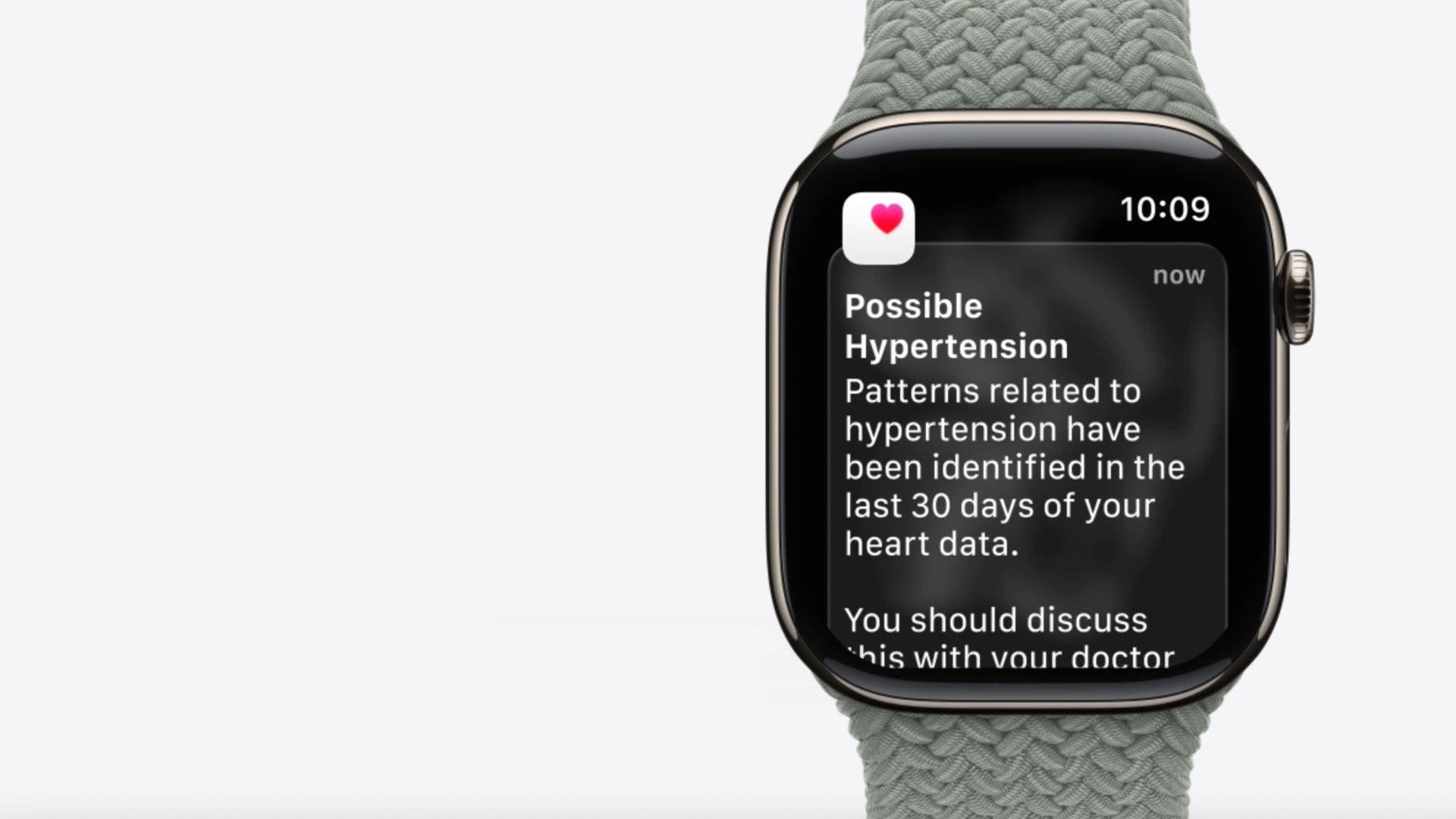
Apple's website show's the alert a user would receive if they had "possible hypertension". PHOTO BY: APPLE INC
Apple's website show's the alert a user would receive if they had "possible hypertension". PHOTO BY: APPLE INC
Alvarez feels otherwise.
“[Tech companies] claim they can do all kinds of things. Some say they're good with blood pressure, I'd throw it out the door,” she says.
In addition to blood pressure, Alvarez also lacks confidence in the oxygen saturations provided by a watch.
She says it’s better for a device to do fewer things at higher quality than claiming to offer metrics that might cause more panic than ease.
It’s important for patients to recognize the margin of error on their devices, no matter how much they trust them.
 Built with Shorthand